
Comparing the Hidden Areas of the Old and New Copen
The Achilles' Heel of the Original Copen
I work with the Copen regularly, so the owners often seek my advice. The original Copen has a range of issues: genuine parts availability, water ingress, panel alignment, ride quality, wheel offset, seized gear selectors, oil leaks, ABS faults, driveshaft noise, and problems with the Active Top, to name just a few.
Among these issues, one has drawn an increasing number of inquiries recently: the original Copen's Achilles' heel, which I refer to as its "water-related problems." I'm interested in discussing how the design associated with this issue has changed in the new Copen LA400. I've been wanting to address this topic for some time, including a comparison of the old and new models.
I've started to see more original Copens in Britain. Five years ago, their numbers at events and shows didn't seem to increase, although owners were invited regularly. Recently, attendance has grown, and I'm seeing these cars more frequently in southern England.
In addition to its charming design, the fact that one can purchase an original Copen for around £1,000 to £3,000 makes it appealing to younger drivers looking for an entry-level or project car.
With the rise in popularity, I've also heard that more owners are encountering "water-related problems." This is why I've decided to write about the issue now. If you found this article while dealing with a similar problem, please read to the end—you may find a solution.

The Original Copen in Japan
"Water-related problems" are not unique to Britain; it's important to consider Japan's environment as well.
First, let's talk about Daihatsu. As a Japanese company, Daihatsu has its head office, parts supply chain, sales dealers, authorised repair workshops, customisation specialists, and even Copen races all located in Japan. This support network is well established.
Daihatsu has reported selling more than 58,000 original Copen. While there are no official statistics on how many are still in existence, I believe that a significant number are still being well-maintained and driven.
Like Britain, Japan is an island nation with a long coastline and abundant rainfall. The northern regions experience heavy snowfall, and humidity is high across the country. Consequently, the risk of "water-related problems" is considerable. The number of original Copens facing this risk in Japan is likely much higher than in Britain, where fewer than 800 are estimated to remain.
Fortunately, Japan benefits from support networks led by Daihatsu, along with numerous bodywork and paint specialists. Though the risk is significant, the facilities and expertise needed to address these problems are readily available. This aspect may not be immediately apparent to those travelling in Japan, which is why I wanted to highlight it.
Now, let's clarify what I mean by "water-related problems."
This term refers to rust and corrosion caused by rainwater or road water entering the car and becoming trapped inside. If the corrosion worsens, it can cause the car to fail its vehicle inspection, creating serious safety concerns.
The images show corrosion on the rear quarter of an original Copen in Japan, which may already be a familiar sight. Once corrosion has progressed to this extent, the car will not pass its roadworthiness inspection, and surgical repairs will be necessary.


In car-owner communities like Minkara, there are numerous discussions about "water-related problems," including many cases that require significant repairs. Despite this, many owners choose to repair their cars and continue driving them.
Some low-mileage cars manage to survive, along with higher-mileage examples that have been well-maintained by their owners and specialist workshops, successfully avoiding any water-related issues. As a result, original Copens are still selling for prices comparable to the newer LA400 Copen.
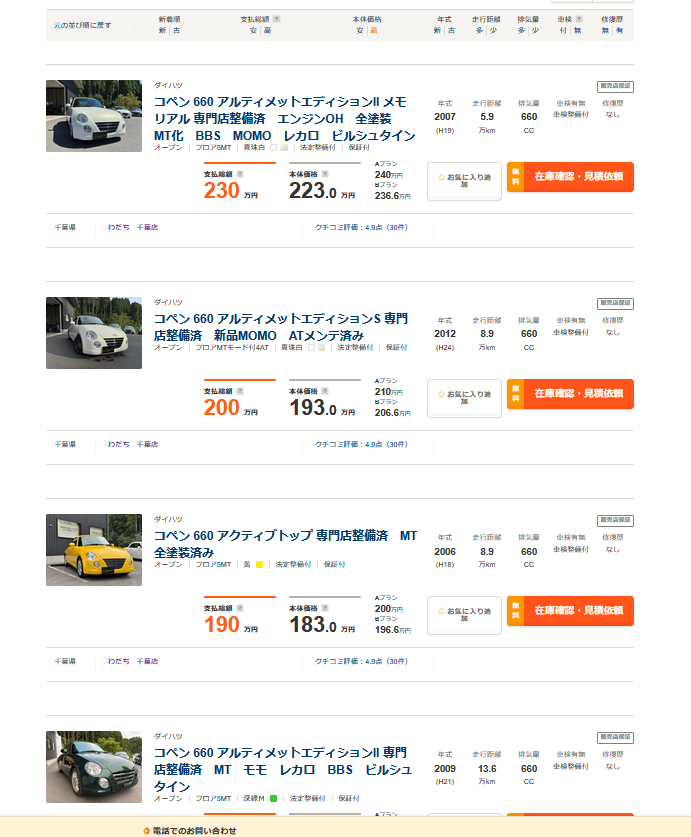
I have included part of a listing provided by one of our business partners. The prices are high enough to purchase a used LA400 Copen GR Sport.
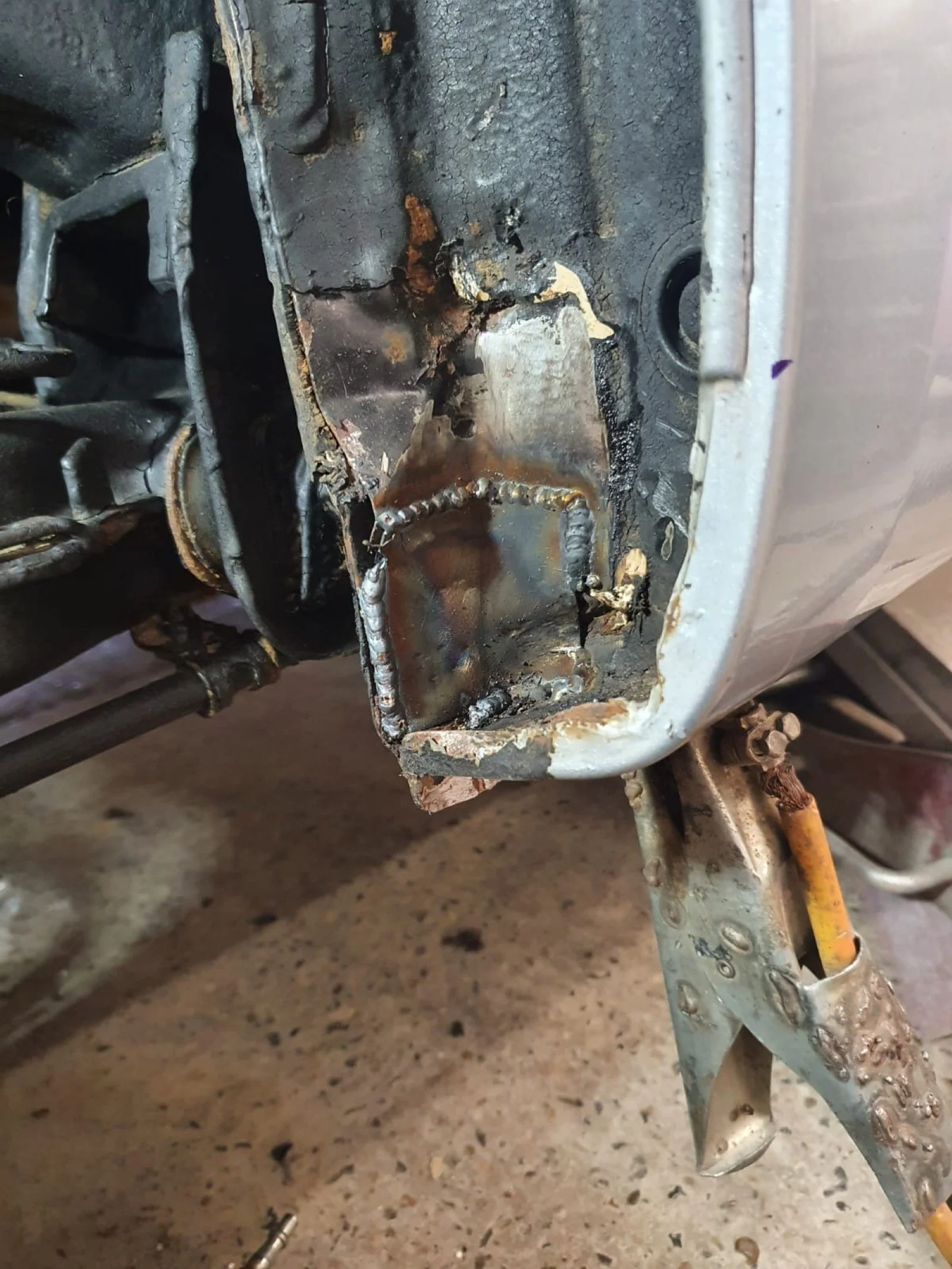
Are There Problems Specific to Britain?
This image depicts the rear sill of a UK-specification original Copen handled by us. The jacking point is located beneath this area, so the car would not pass an MOT in this condition.

This section creates a pocket where sand and dirt can easily accumulate. I believe this buildup retains moisture and leads to corrosion. Once the affected area has been cut open and repaired, it is essential to implement measures such as creating a drainage path to prevent future issues.


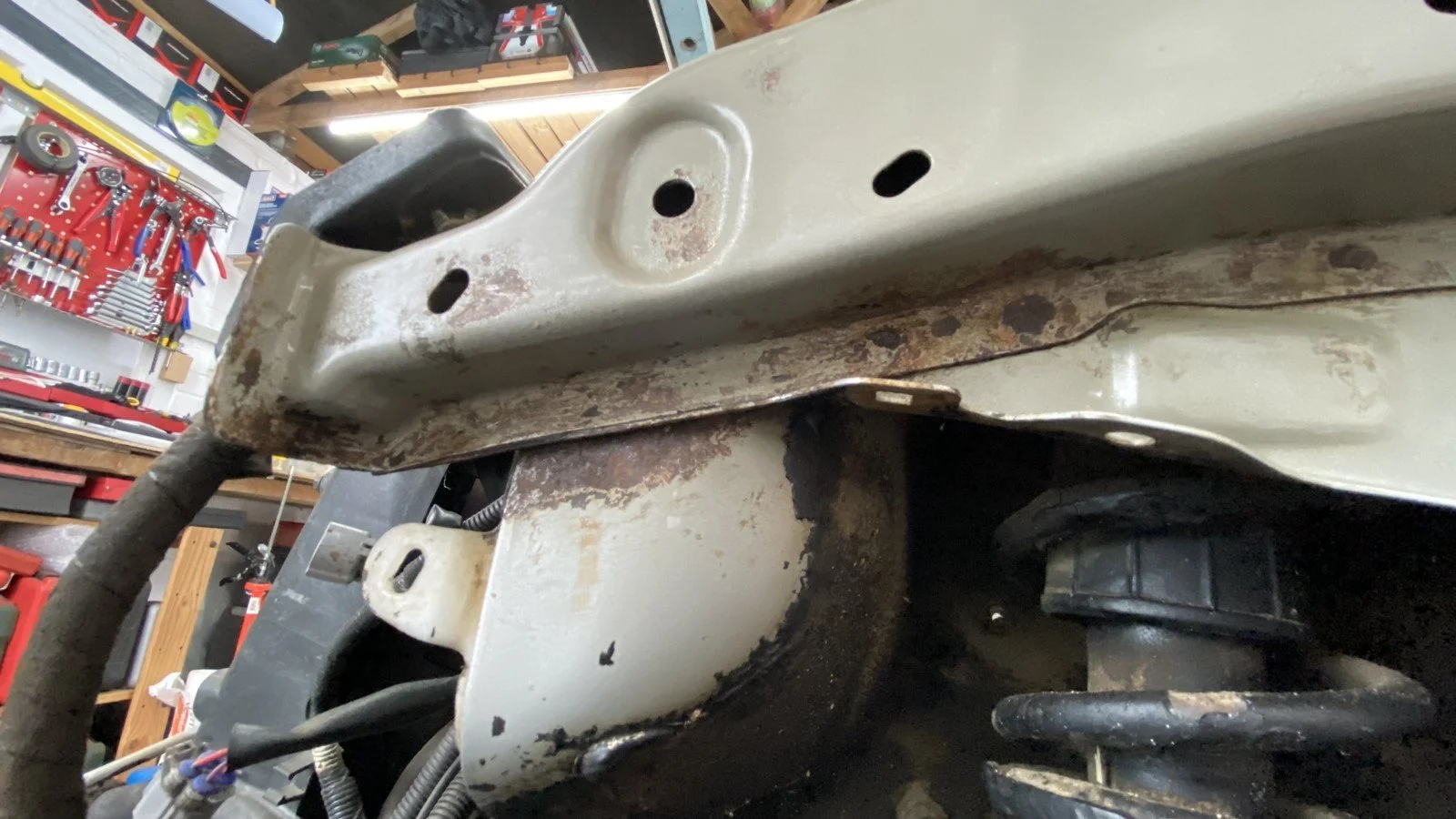
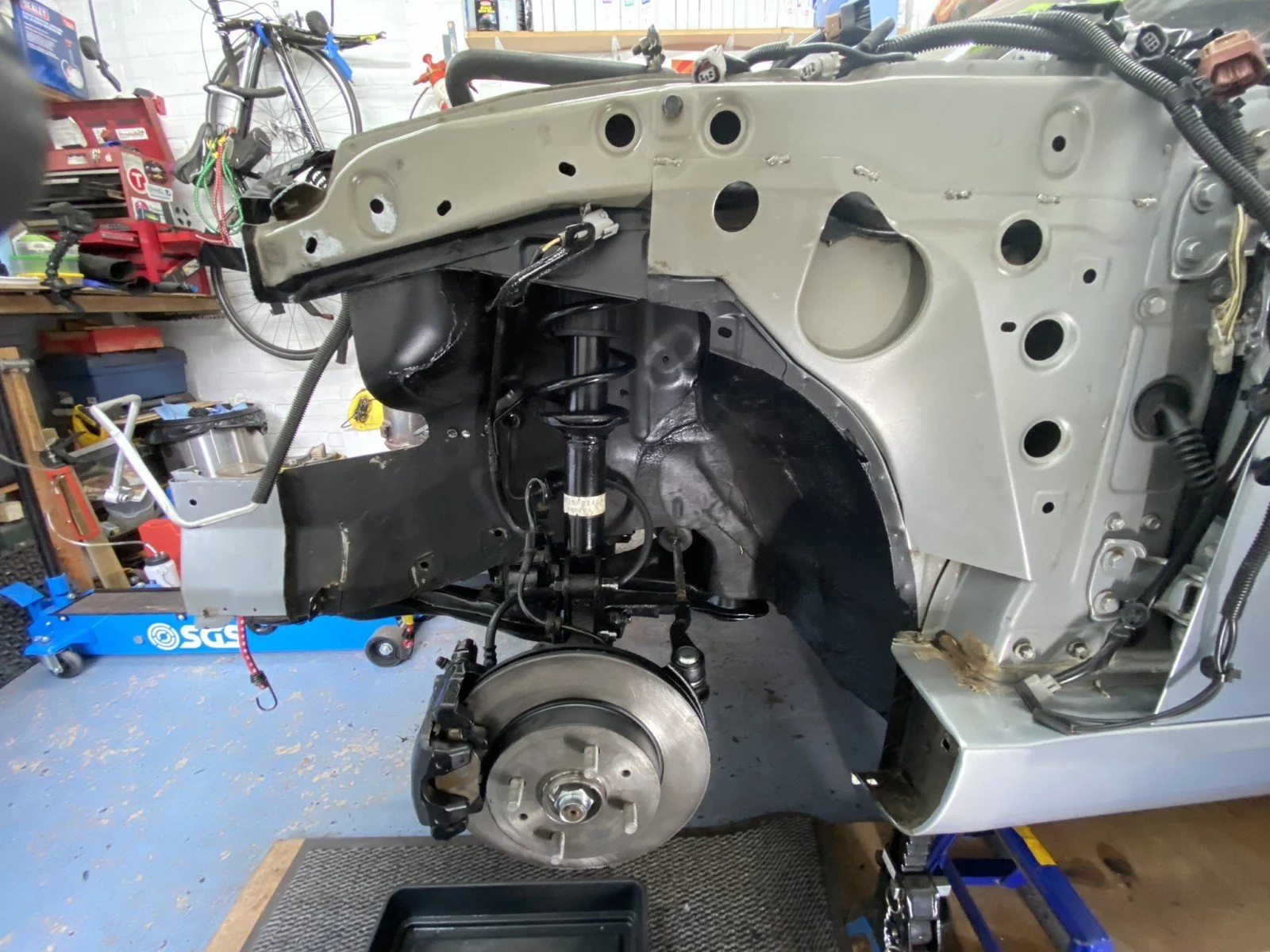
The following images display the car with its bumper and wing removed. An underbody coating has been applied to this vehicle. However, the coating material does not always reach confined areas like these. Even in places where the coating has been applied, its removal may expose rust around welded sections. This case illustrates that, depending on the application method, a coating can sometimes produce the opposite of its intended effect.


The following image displays the oil sump, which is located beneath the front bumper. It is vulnerable to road spray containing de-icing salt, which can corrode the steel sump.
Additionally, the underside of the side sills is susceptible to rainwater and mud that is kicked up by the front tyres. It is important to inspect these areas after removing dirt through steam cleaning or a similar method.


Among the original Copens I have come across in Britain, a significant factor contributing to corrosion is not only the weather and de-icing salt, but also the lack of careful inspection over time. If no maintenance records are available, I recommend having the car thoroughly inspected at least once. Drawing on its experience as a Copen specialist, TR Imports UK offers a comprehensive inspection as the first step toward understanding the vehicle's condition. If you are interested, feel free to reach out.
So, how did Daihatsu improve the design related to 'water-related problems' in the new Copen?
Features of the New Copen and Inspection by TR imports UK
Let's take a closer look at the New Copen, particularly the construction of the rear quarter panel. For the LA400 Copen, Daihatsu has introduced a structural framework known as the 'D-Frame.' This framework enhances body rigidity, while the exterior panels—including the wings, bonnet, boot lid, and quarter panels—are designed as bolt-on, removable resin components. As a result, the quarter panel is not welded to the inner shell. Additionally, there is no pocket-shaped structure, like the one found around the rear sill of the original Copen.
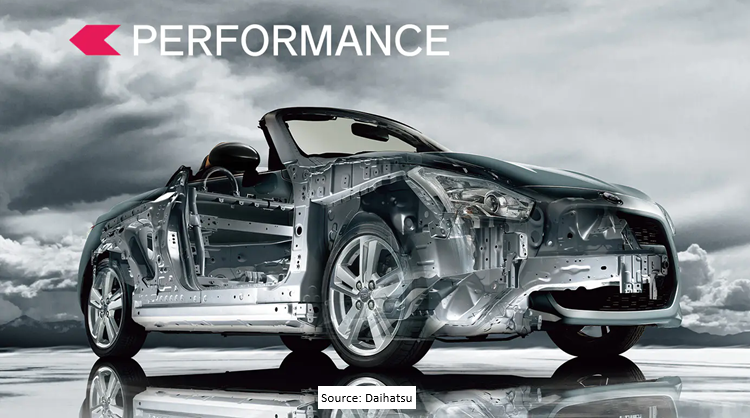
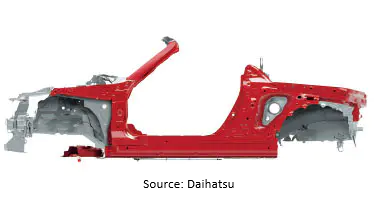
What condition, then, is an LA400 with this structure in after approximately ten years?
The images below provide useful information about our stock of LA400 Copens for sale, which are aged between 5 and 10 years. These vehicles arrived at TR Imports UK with dirt collected behind the removable panels—what we refer to as 'hidden areas'—but the underbody was relatively clean. After a thorough deep cleaning, the body shell appeared to be in excellent condition, looking almost brand-new.


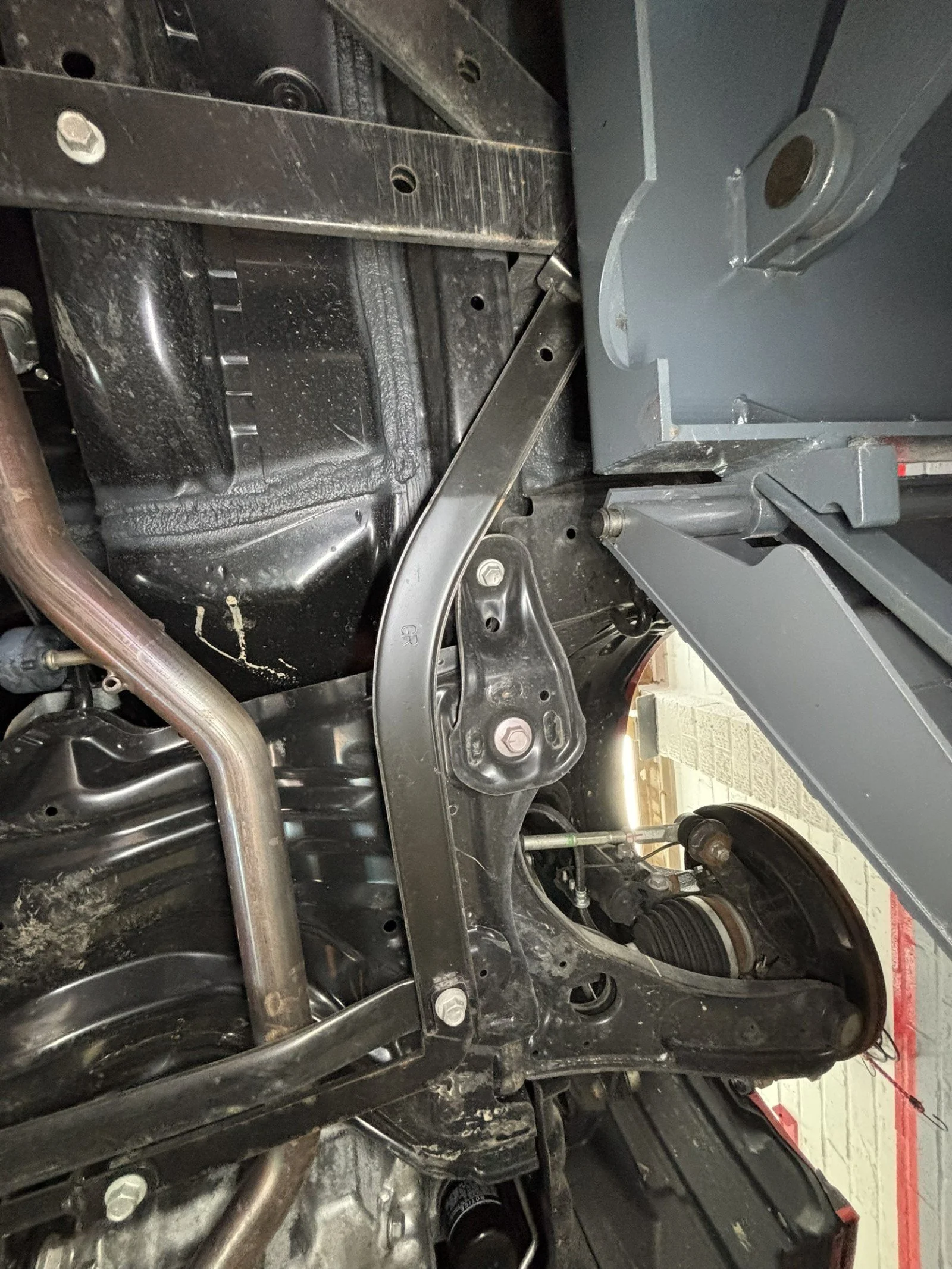

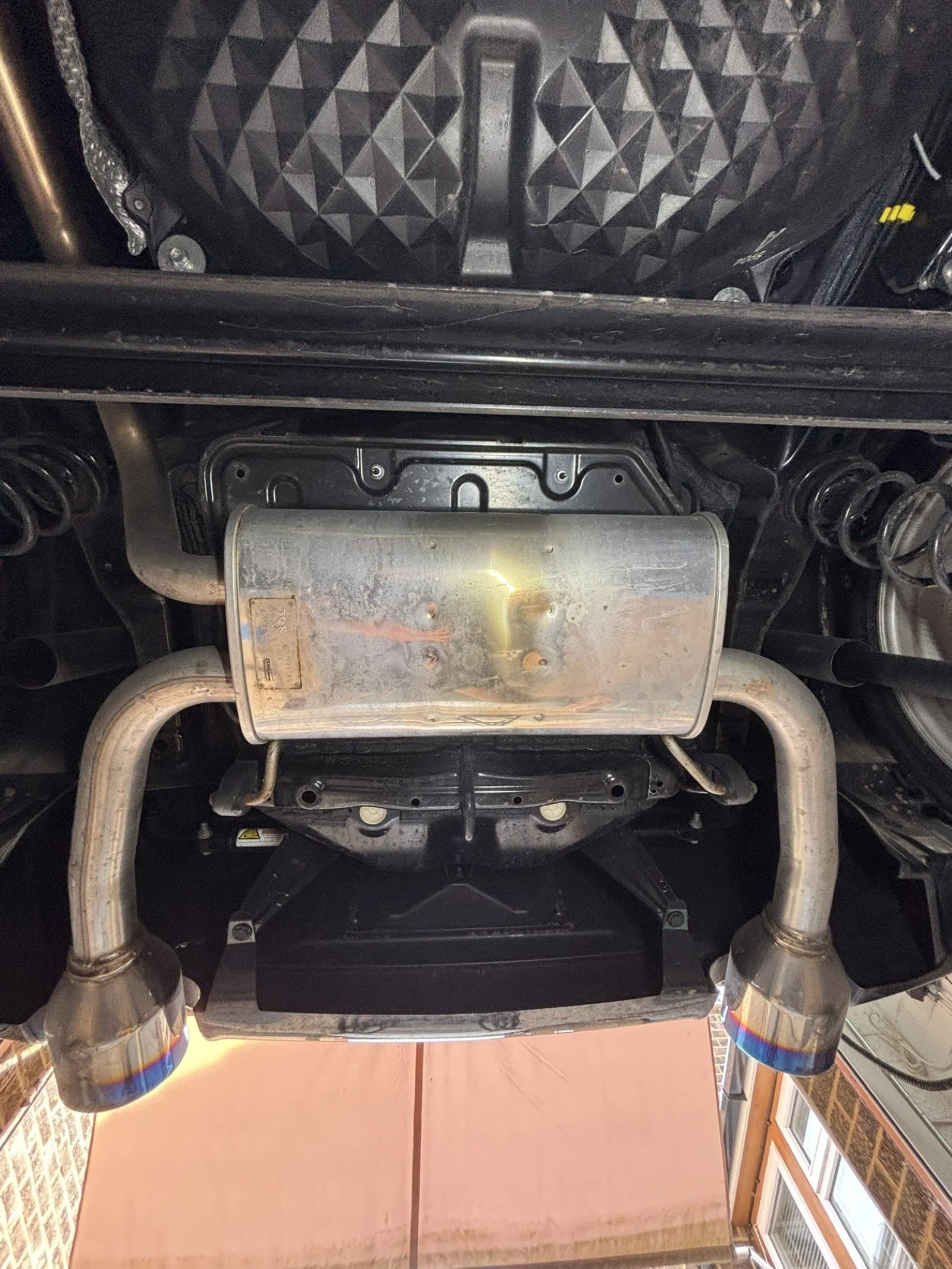
After removing the bumpers and wings, I inspected the areas behind them and discovered that the problematic structures responsible for the corrosion on the original Copen had been replaced. Instead, I found an anti-rust-treated D-Frame, indicating improvements in both materials and construction methods.


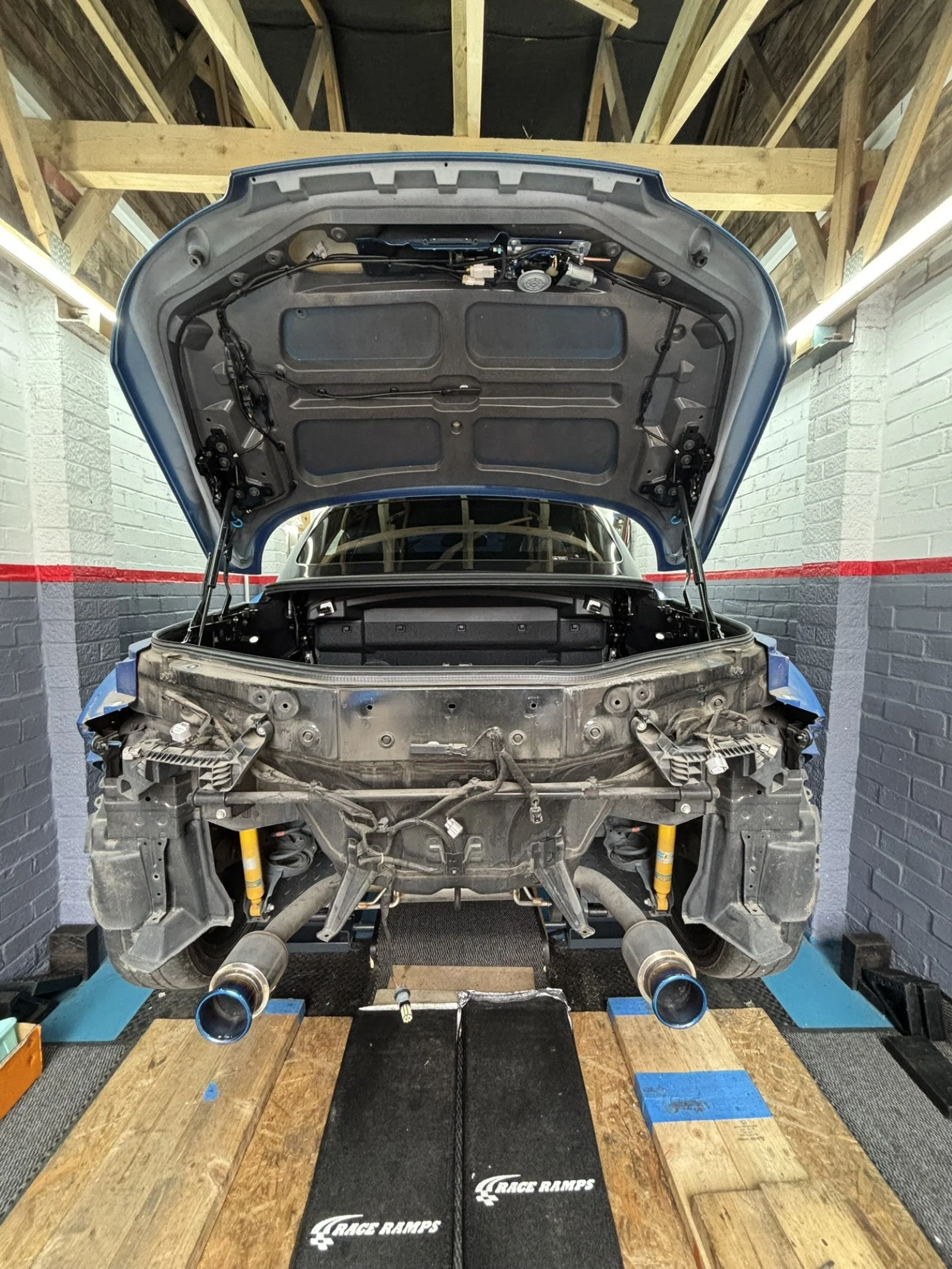

Some components of the suspension, axles, and brakes showed small signs of flaking paint and rust, which is common. Rust can form even from a minor chip in the paint, so it's crucial to clean the affected areas and apply appropriate corrosion protection. Additionally, regular and thorough inspections are essential to maintain these components, especially in the challenging British environment.


A Final Aside
When considering the purchase of an original Copen or any other Japanese car, services like the RAC's mobile vehicle inspection can provide a valuable pre-purchase report. This report typically includes an underbody inspection, where feasible.
You can also find on-site inspection services available at Japanese auction venues. For an additional fee, you can hire an inspector to examine the vehicle before you start bidding.
However, it's important to note that neither of these services can lift the car or disassemble key components for a thorough inspection, and the time allotted for inspections is often limited. If you have unrealistic expectations, you may end up disappointed. Unfortunately, the ideal inspection before buying rarely occurs.
Despite this, when the right car comes along, it's natural to feel compelled to buy it at almost any cost. Did you end up having the car delivered without a thorough inspection? Drop us a message.
Once you've decided which model suits you and have a realistic budget in mind, the next question is simple:
How do you actually buy one?
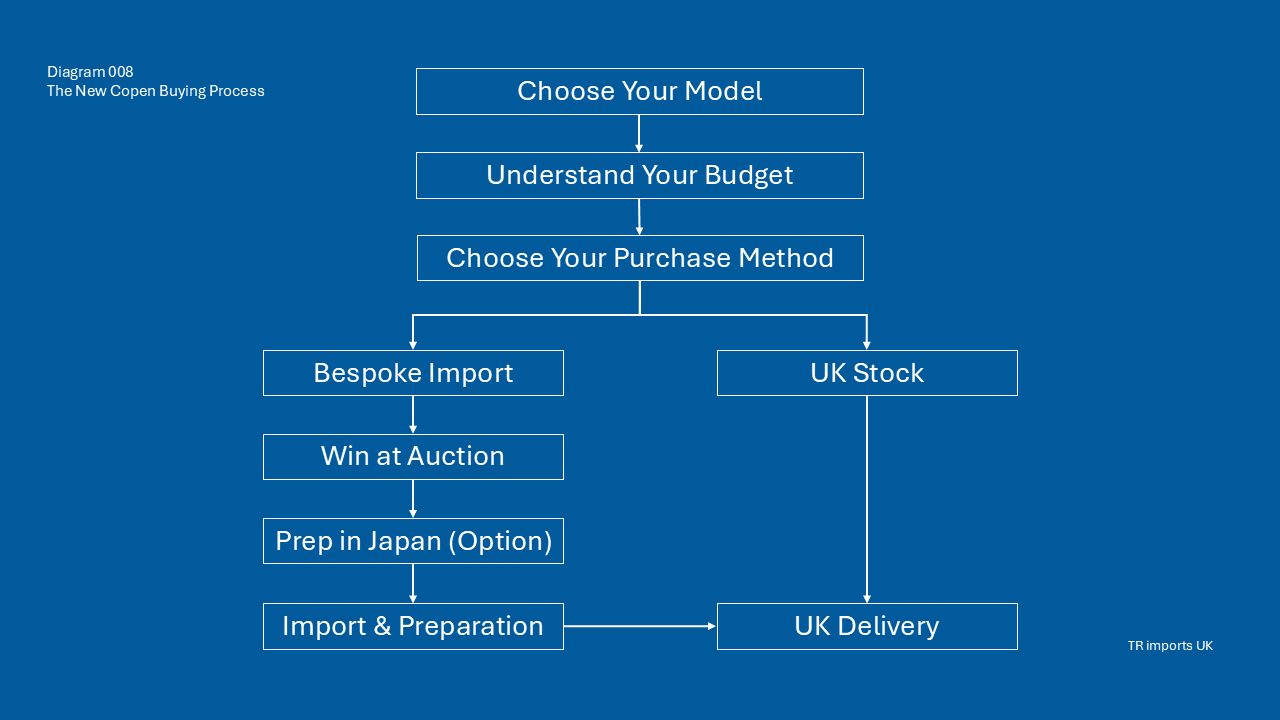
Two Different Ways to Buy
There are two ways to purchase an LA400 Copen through TR imports UK.
Option 1 – Buy from UK Stock
We currently keep examples of all four LA400 body styles in the UK, allowing customers to inspect and compare different models before making a decision.
Many of our cars have already been upgraded with Japanese-branded aftermarket suspension, exhaust systems or other desirable components, making them particularly attractive for customers looking for an enthusiast-owned specification.
The biggest advantage is certainty.
You can inspect the actual vehicle, drive it if appropriate, and because it is already registered with the DVLA, the purchase process is straightforward.
Before purchasing, we recommend obtaining an insurance quotation. Imported vehicles can sometimes attract higher premiums, so understanding your running costs early is always worthwhile.
If you are unsure where to start, we are happy to recommend specialist insurance brokers.
Option 2 – Bespoke Import from Japan
If your preferred colour, transmission or specification is not available in the UK, our Bespoke Import Service allows us to search Japan specifically for your ideal car.
For example, if your requirements are:
Cero
Yellow
Manual transmission
Black interior
Less than 10,000 km
...you may only see one suitable example appear at auction each month.
It might appear tomorrow.
It might not appear for another month.
Every day we monitor auction listings across Japan, waiting for the right car to appear.
Because Japanese auctions operate very quickly, there is usually only around one day between a vehicle being listed and the auction taking place.
Combined with the time difference between Japan and the UK, there is very little time for detailed discussions once the right vehicle appears.
That is why we spend time agreeing your requirements before we begin searching.
Once we've agreed on the right car, the next question most customers ask is:
"When do I actually need to pay?"
When Does Payment Happen?
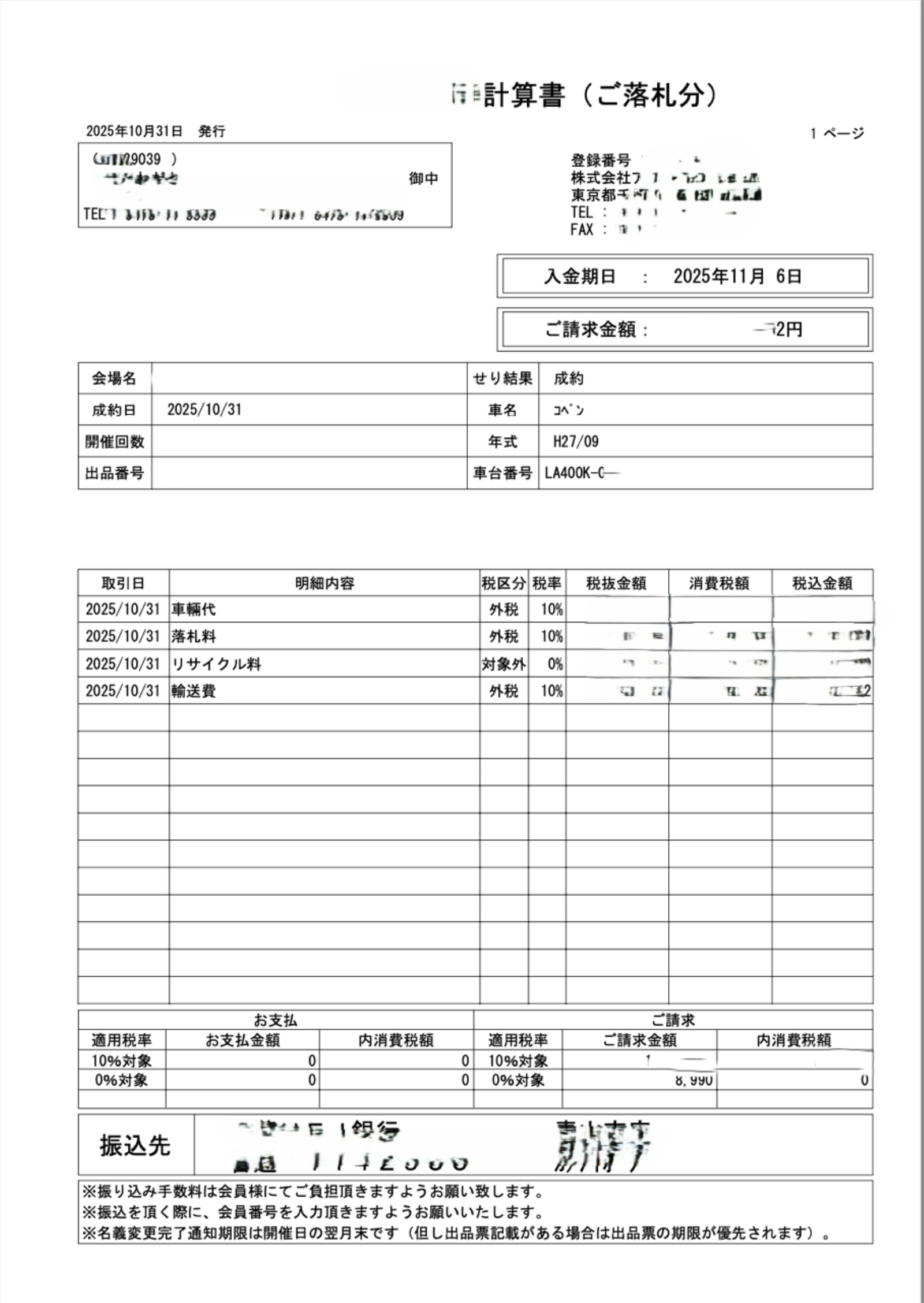
This is one of the most common questions we receive.
When your chosen vehicle is successfully purchased at auction, the auction house issues an invoice immediately.
At that point, the purchase cannot be cancelled.
For this reason, we ask customers to pay a deposit before we begin bidding.
This deposit is not an arbitrary reservation fee.
It represents the amount that will be required to settle the Japanese auction invoice if your vehicle is successfully purchased.
Until bidding takes place, your deposit remains in the UK, held separately from our business operating funds.
If you decide not to proceed before any bidding takes place, we can therefore return your deposit promptly.
Of course, payment is only one part of the process.
For many customers, buying a car from another country also brings understandable concerns about what happens next.
Understanding Two Different Types of Concern
Buying a vehicle from another country naturally creates uncertainty.
In our experience, those concerns usually fall into two categories.
The first is trust.
Customers naturally want to know that their money is being handled safely and responsibly.
The second is the delivery process itself.
Once the vehicle has been purchased in Japan, customers understandably want reassurance that everything is progressing as planned until the vehicle finally arrives in the UK.
This is why we place great importance on communication throughout the entire process.
We provide regular updates and keep customers informed at every significant stage of the journey.
Our Goal
Whether you choose one of our UK stock vehicles or commission a Bespoke Import, our objective is the same.
To help you buy the right LA400 Copen with confidence, knowing exactly how the process works before making your decision.
If you have any questions after reading this guide, please feel free to get in touch. We'll be happy to help you find the right New Copen for your needs.