
Why I Chose the LA400 Copen
When people hear that TR imports UK specialises in the second-generation Daihatsu Copen, they often ask me the same question.
"Why the Copen?"
It's a fair question.
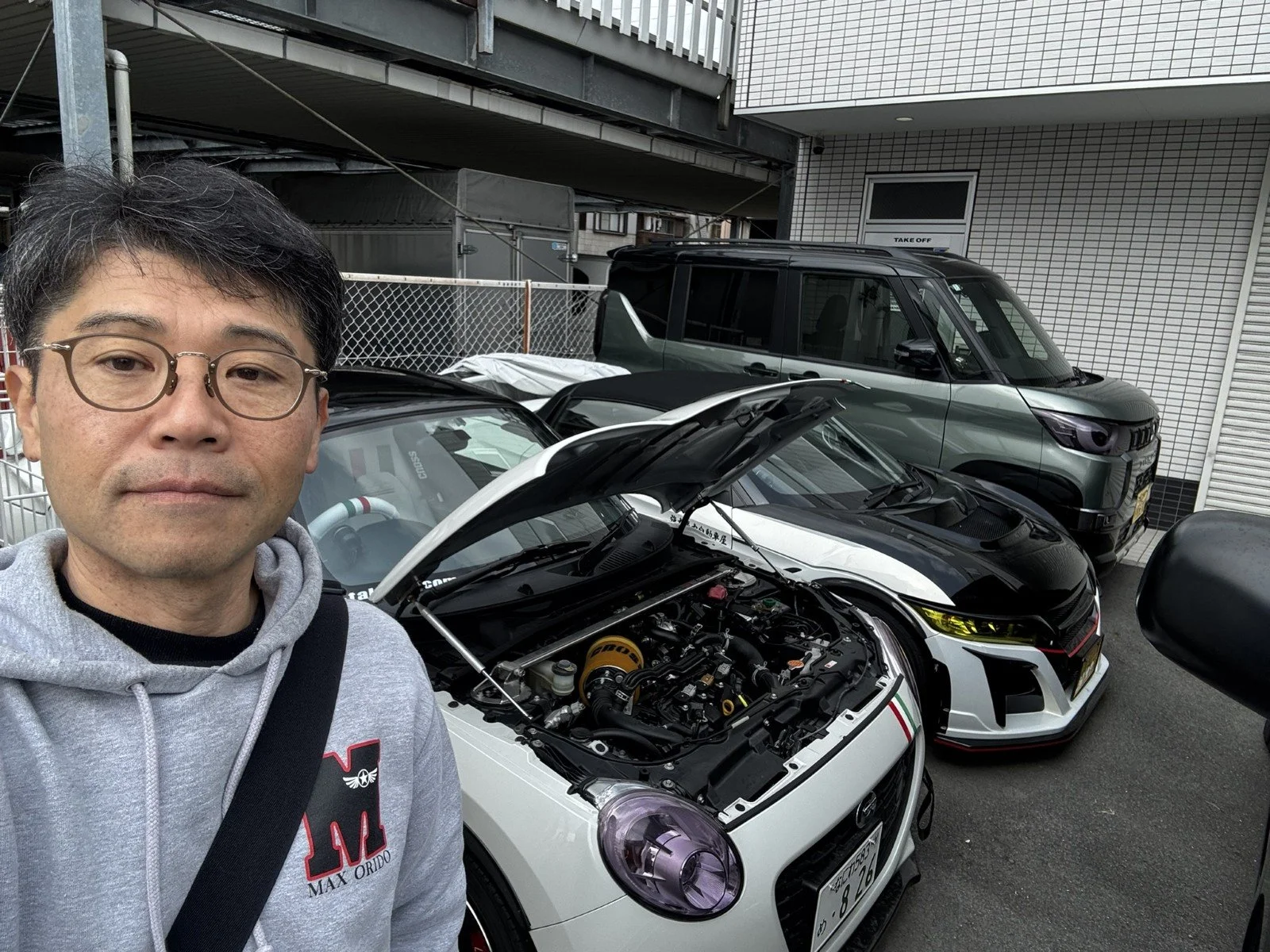
After all, I've owned nine Honda models over the years, and our workshop has spent the last five years developing our Honda S2000 demo car. Many people naturally assume that I would have chosen the Honda S660 as my next project.
The truth is, I seriously considered it.
For more than six months, I compared both cars before finally making my decision.
Today, I'd like to explain why.
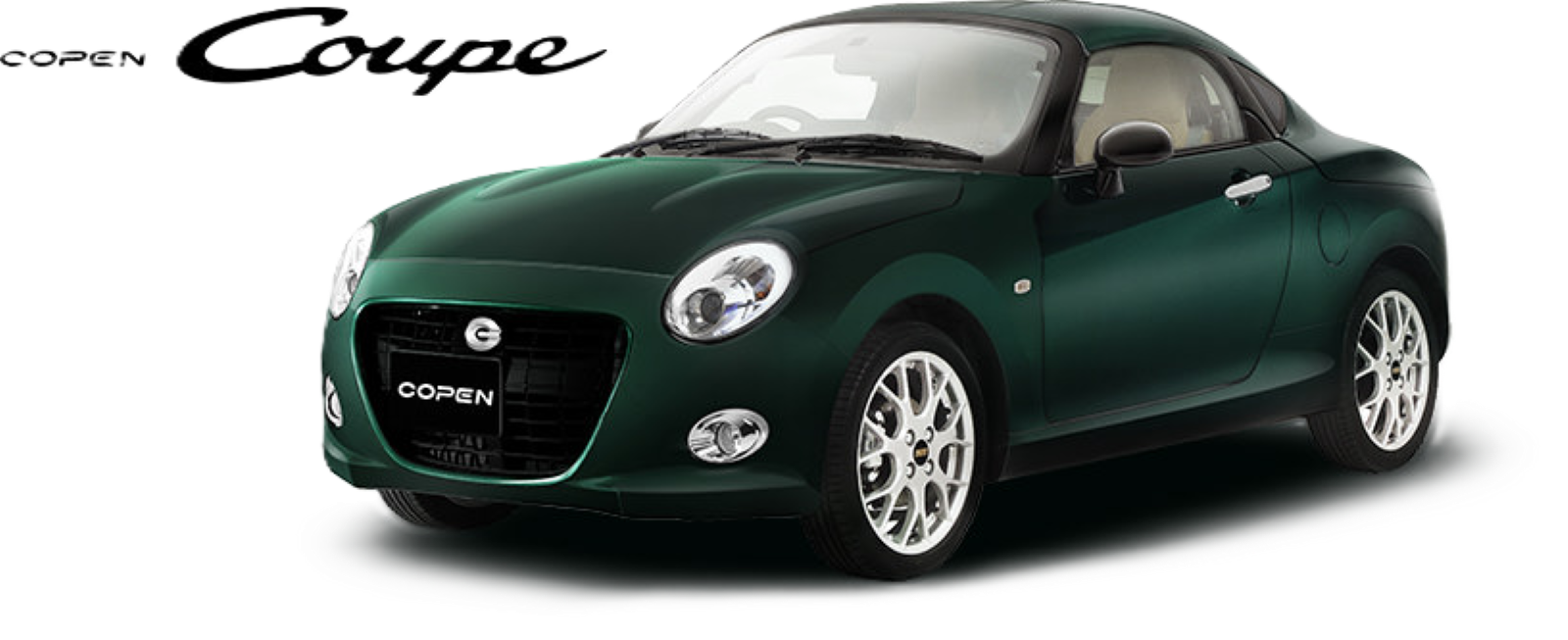
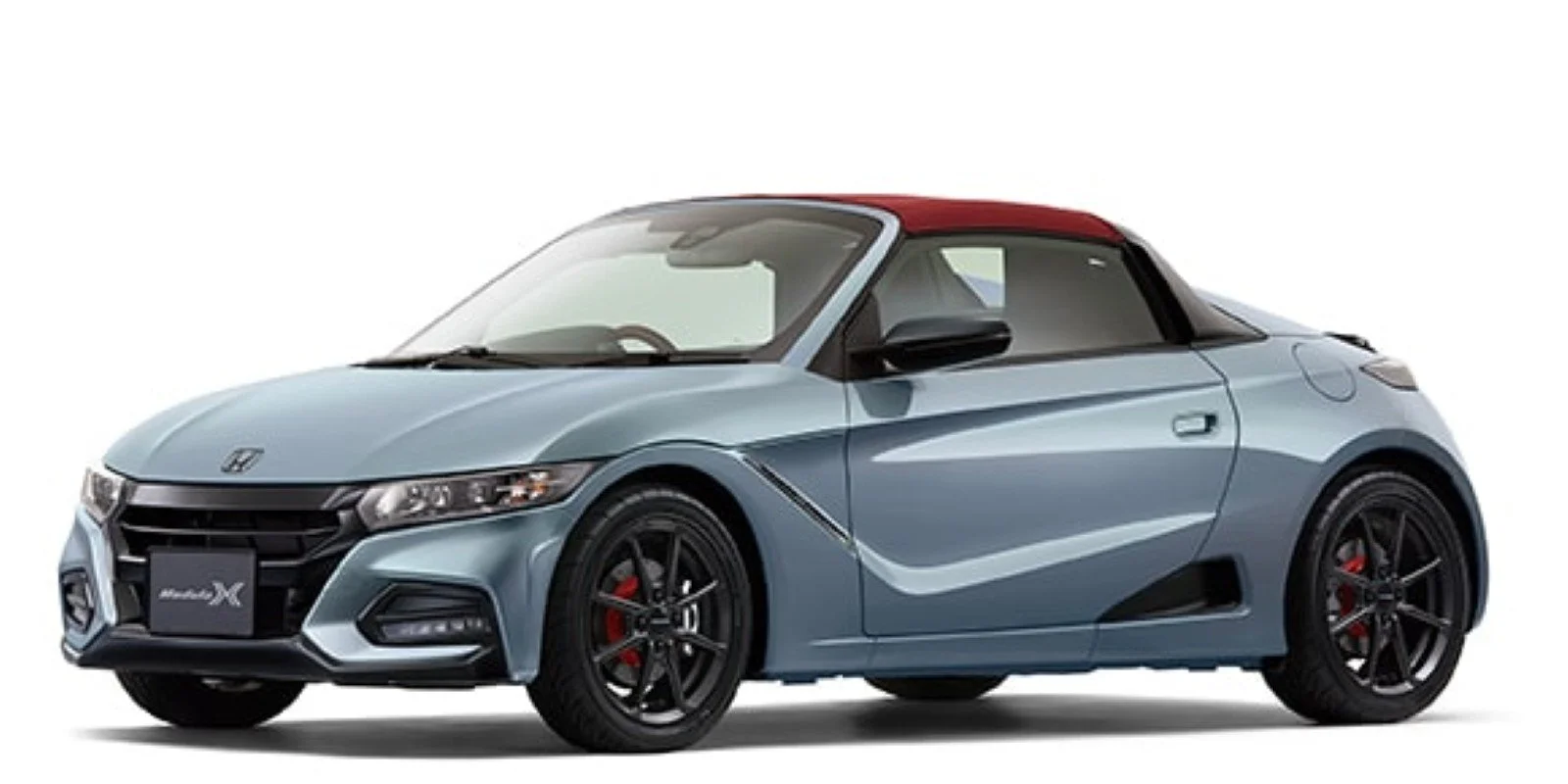
Two Great Japanese Sports Cars
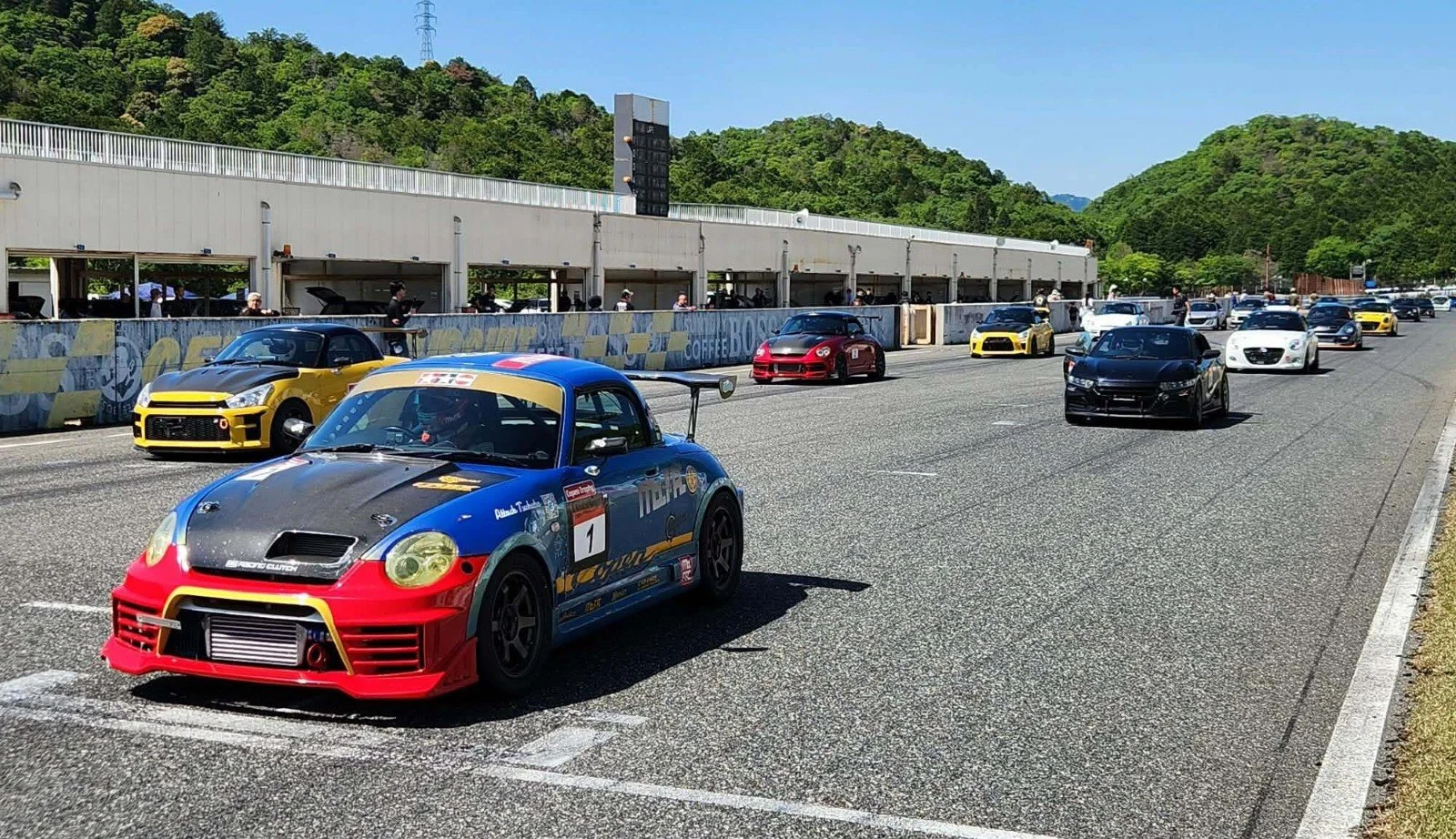
In Japan, the Daihatsu Copen and Honda S660 are often compared.
Both are lightweight two-seat roadsters.
Both are turbocharged kei cars.
Both have passionate communities.
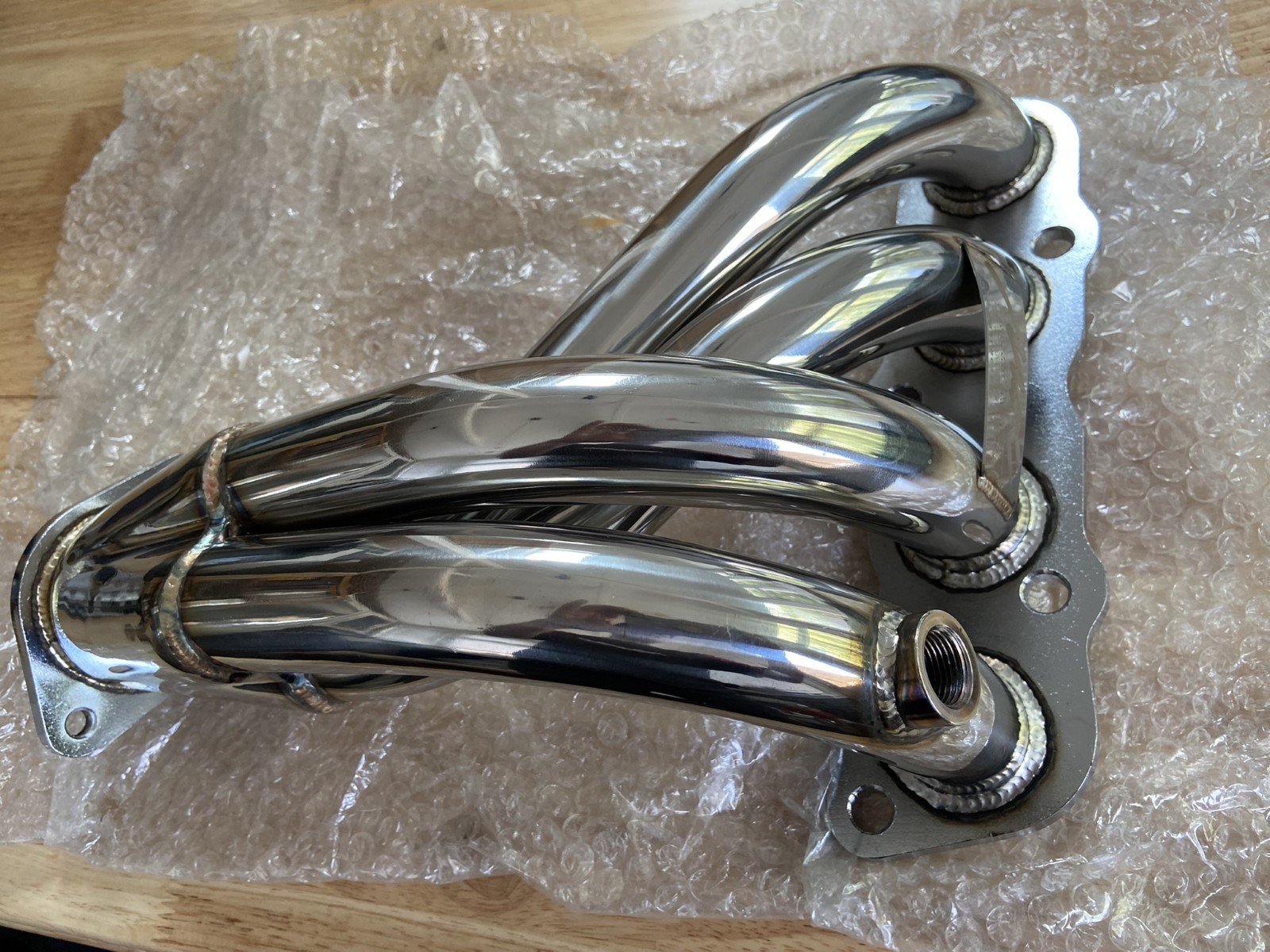
Both enjoy huge aftermarket support, with countless tuning and styling parts available from Japanese manufacturers.
Most importantly, both models are now out of production.
For enthusiasts, that makes them increasingly special cars to own.
Unlike many ordinary kei cars, well-maintained examples tend to hold their value remarkably well. They aren't simply inexpensive sports cars—they're becoming long-term enthusiast cars that people genuinely want to preserve.


My First Copen Taught Me Something
Long before the LA400 project, I owned an earlier Copen.
It wasn't the turbocharged 660cc model that most enthusiasts know.
Instead, I chose the rare (from a Japanese point of view) 1.3-litre L881K version.
We restored it, improved it and learned a tremendous amount from the project.
However, as the project developed, I realised something important.
While restoring the car was enjoyable, developing it beyond that point was difficult. The naturally aspirated 1.3-litre engine had very limited tuning support in Japan, making it hard to continue developing the car in the direction I wanted.
That wasn't a fault of the car.
It simply wasn't the right platform for the kind of long-term development I had in mind.
Sometimes a project teaches you as much by its limitations as by its successes.

Why the LA400 Made More Sense
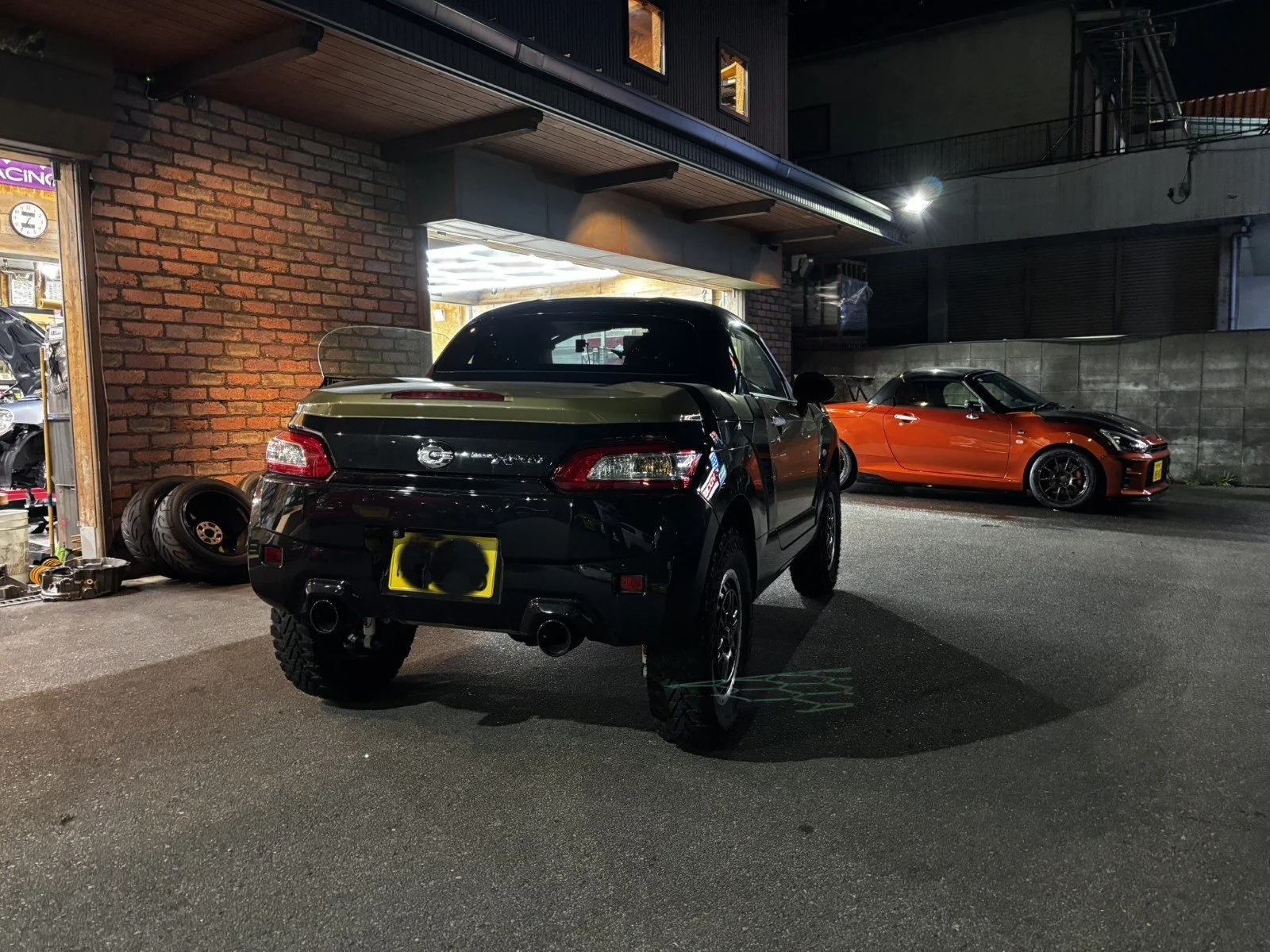
When I began considering a new demo car, the second-generation LA400 Copen quickly became a very attractive option.
Not because it was cheaper.
Not because it was easier.
But because it matched the philosophy of TR imports UK.
The LA400 inherits much of the engineering philosophy of the earlier Copen while benefiting from over a decade of advances in chassis design, materials and refinement.
It also has something incredibly valuable:
An enormous amount of knowledge already exists in Japan.
Factory information.
Specialist workshops.
Aftermarket manufacturers.
Track-tested components.
Years of accumulated experience.
That means we're not guessing.
We're learning from the people who have already spent years developing these cars.


But Why Not the Honda S660?
The S660 is a brilliant car.
Its mid-engined layout makes it unique, and I still think it's one of the most exciting kei sports cars ever built.
In fact, I haven't ruled out owning one in the future.
However, for the type of business we wanted to build, the LA400 simply offered more opportunities.
One feature in particular stood out.
The interchangeable body panels.
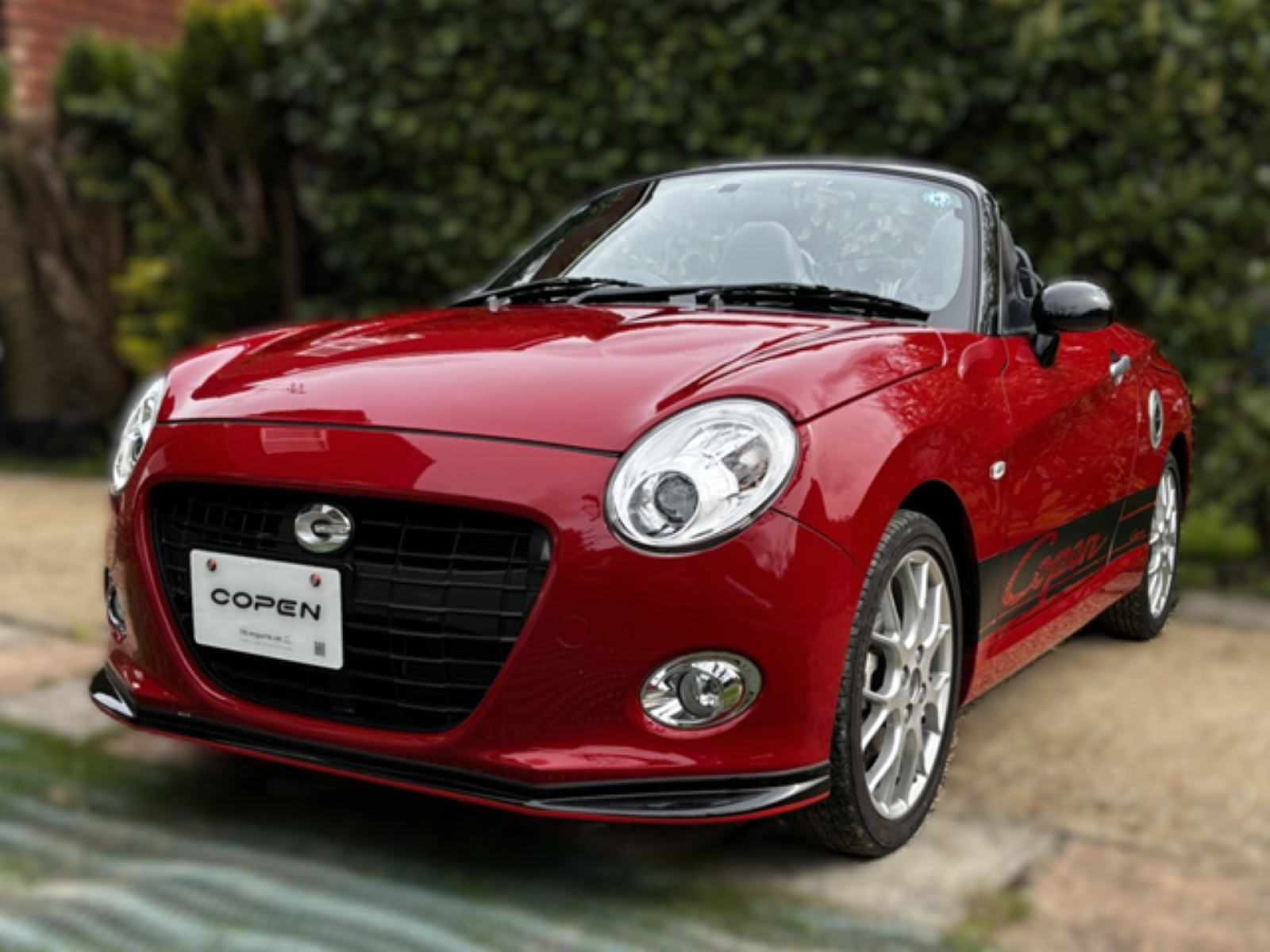
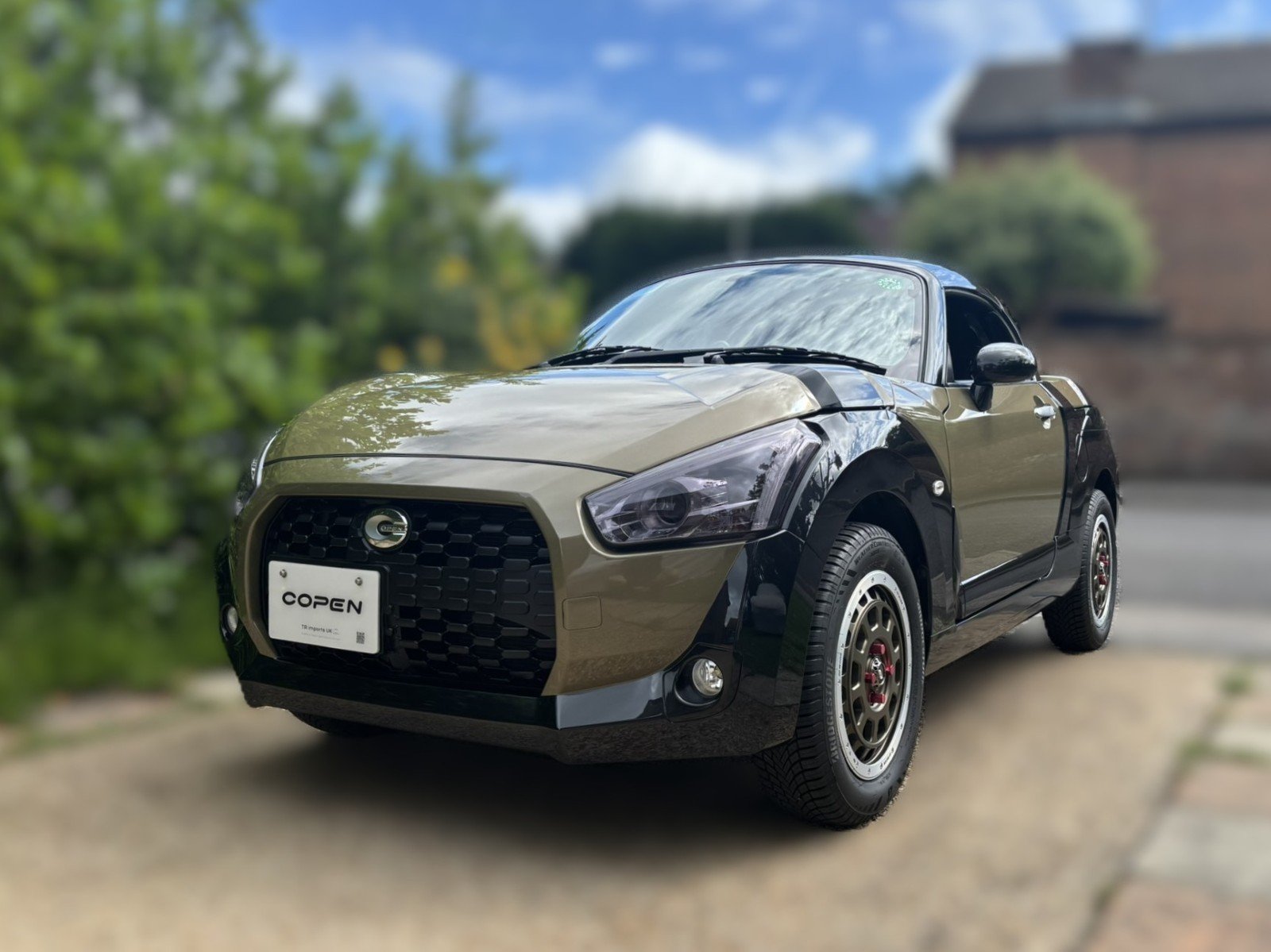
With the LA400 platform, owners can choose between the Robe, Cero, XPLAY and GR Sport styling while sharing the same mechanical foundation.
That flexibility is something unique in the sports car world, and it opens up possibilities that very few cars can offer.


Living With the LA400
After importing and working on five LA400 Copens, my impression has become very clear.
It simply doesn't feel like a kei car.
The cabin is surprisingly spacious.
The ride quality is refined.
Road noise is lower than I expected.
The chassis feels remarkably solid.
Compared with the earlier Copen, servicing is also considerably easier.
Everything feels like a generation of engineering progress.
Another pleasant surprise has been the condition of the cars we've imported.
Every LA400 we've sourced from Japan has already received underbody rust protection, and all have arrived in excellent structural condition.
That gives us an ideal starting point for the preparation process we carry out before offering each car for sale.


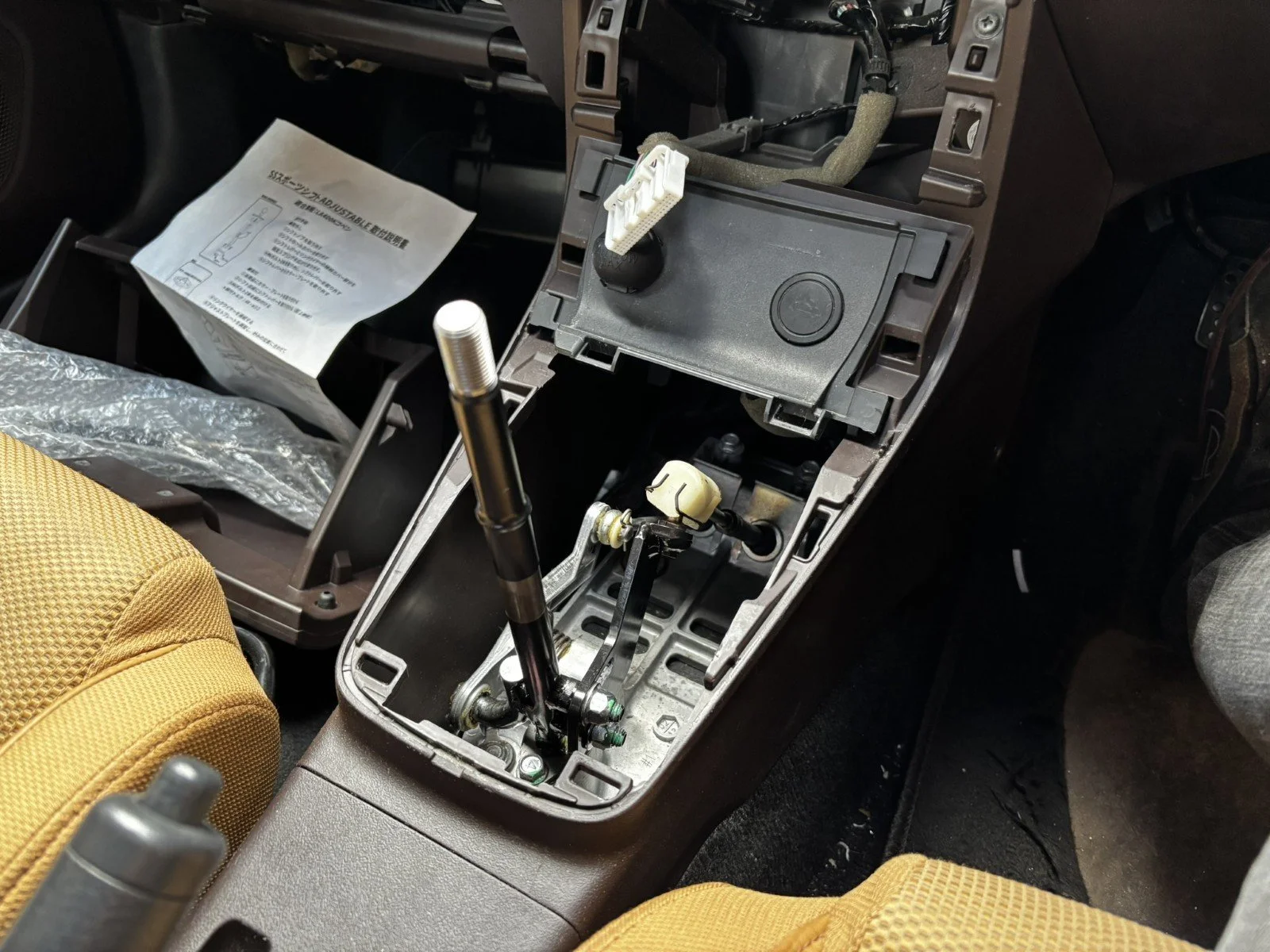
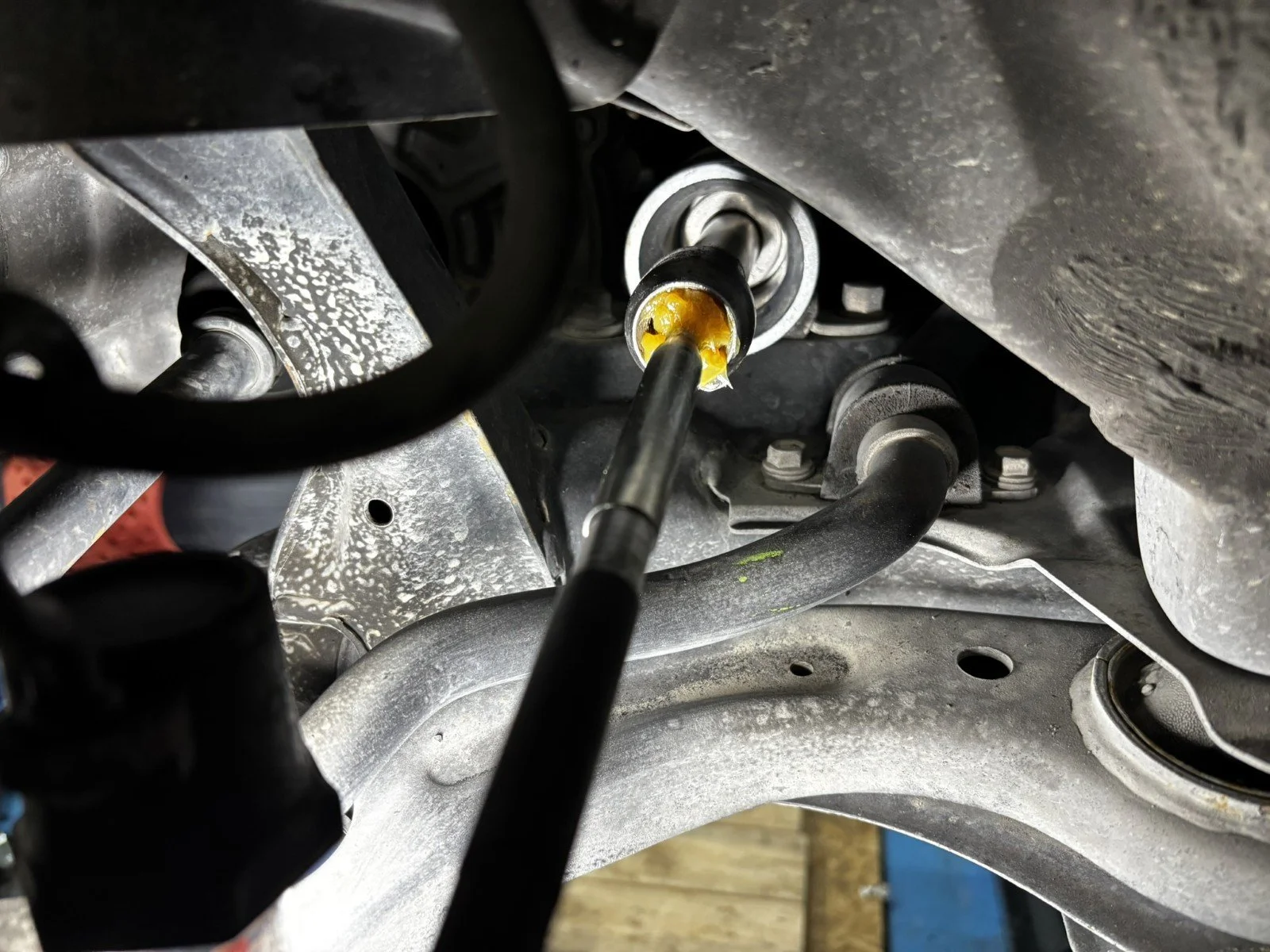

Looking Forward
Choosing the LA400 wasn't simply about choosing a car.
It was about choosing a platform that allows us to continue learning, testing and sharing that knowledge with other enthusiasts in the UK.
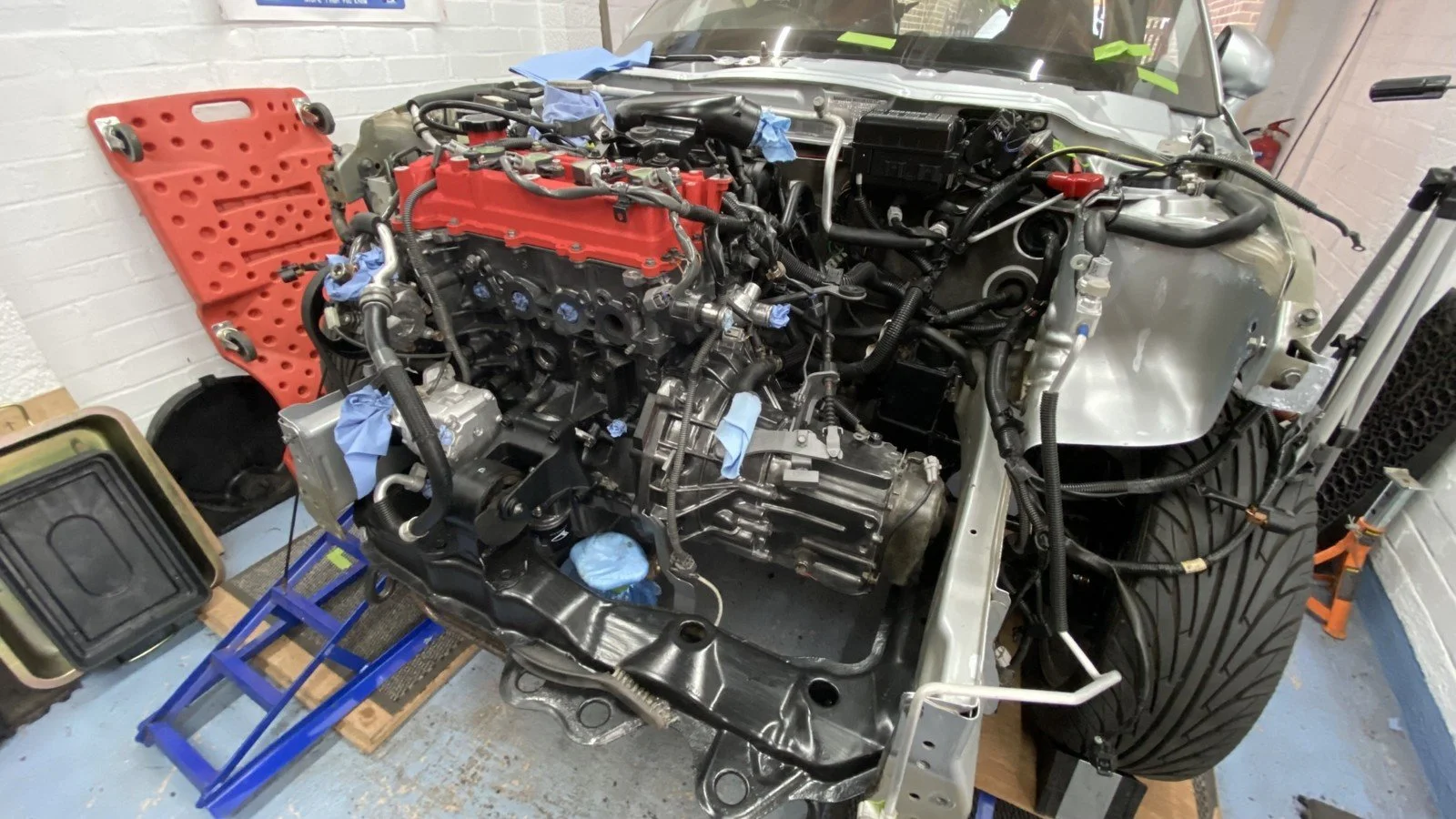
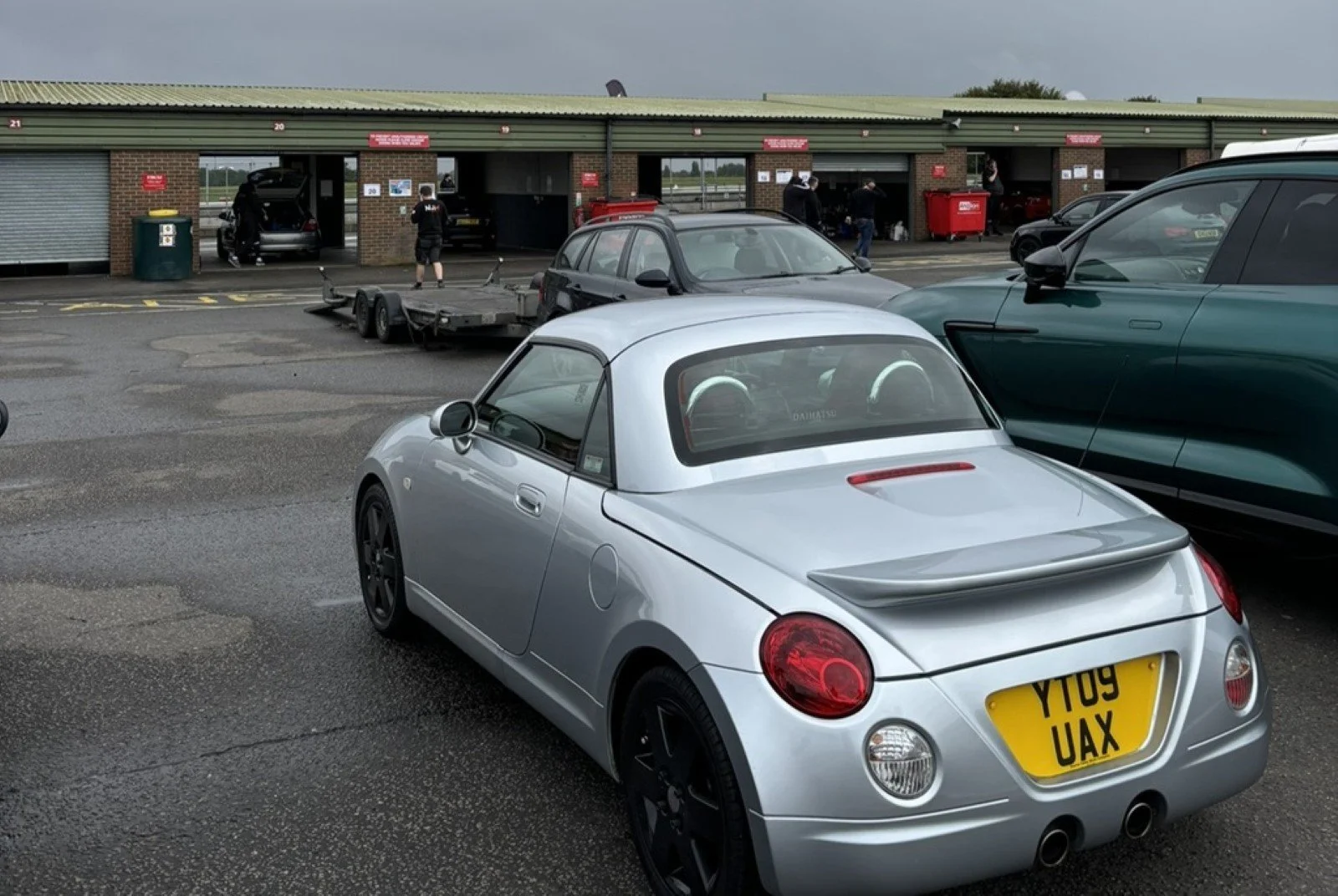
Our demo Cero continues to evolve.
Our showroom now includes all four LA400 body styles.
And we're only just getting started.
Over the coming months and years, I'll continue sharing what we learn—from maintenance and restoration to upgrades, tuning and ownership.
I hope you'll enjoy following the journey with us.