
Before We Import a Car, We Build Understanding
Why the Search Is Not Always the First Step
Perhaps you have already spent hours searching for a car in Japan.
You've searched Japanese classified websites, auction export services, social media and UK importers.
You know the model you want.
You may already have a preferred specification, colour, transmission and maximum mileage in mind.
Yet the more you search, the less certain everything becomes.
One car appears to fit your budget, while another with a similar specification costs considerably more. Some companies advertise low purchasing fees. Others seem expensive before shipping and registration have even been considered.
Eventually, most people ask the same question.
"Am I actually comparing the same thing?"
In many cases, the answer is no.
Why the Prices Can Be Difficult to Compare
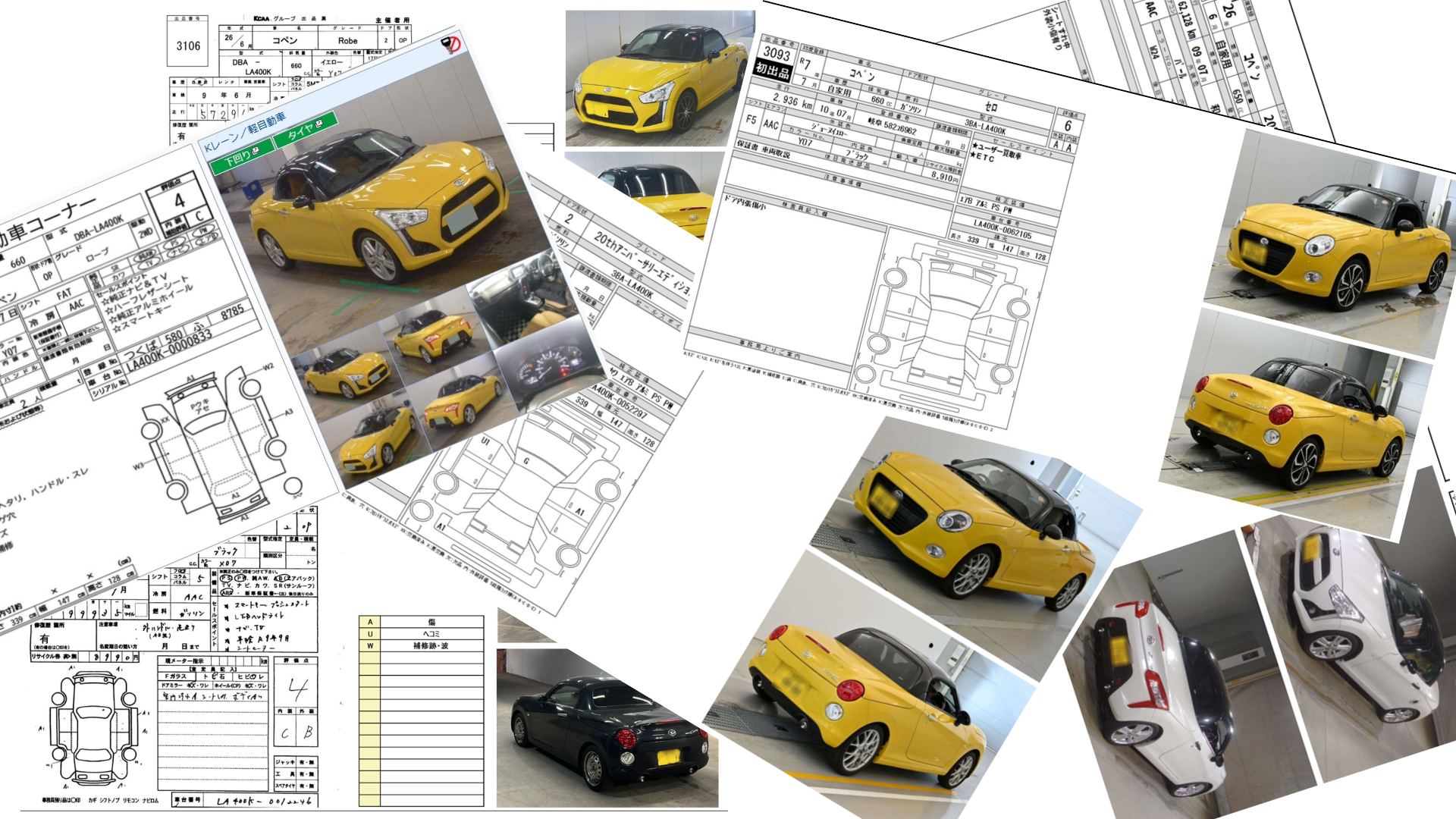
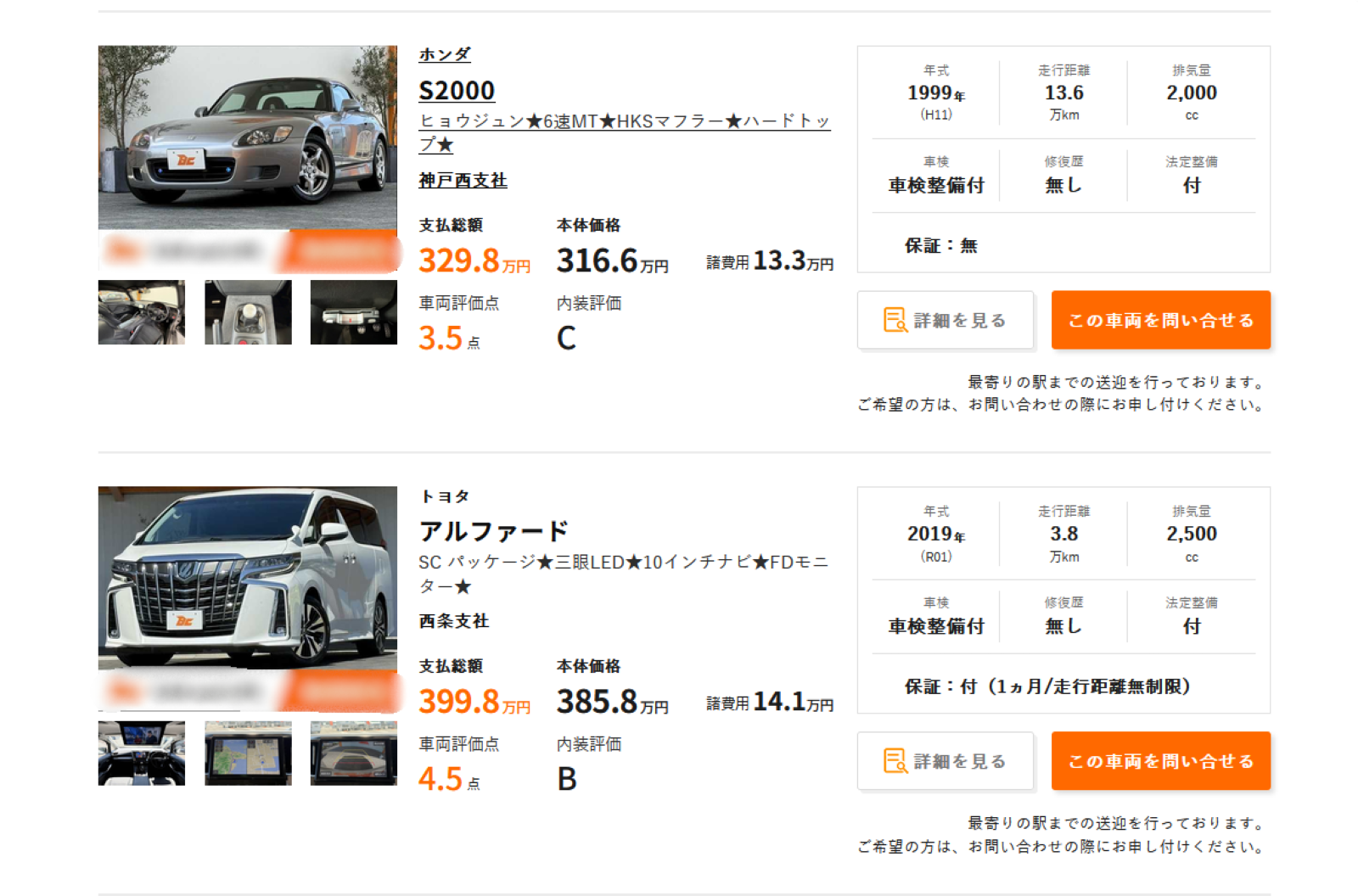
A vehicle offered at a Japanese auction and a vehicle displayed by a Japanese used-car trader are not the same product.
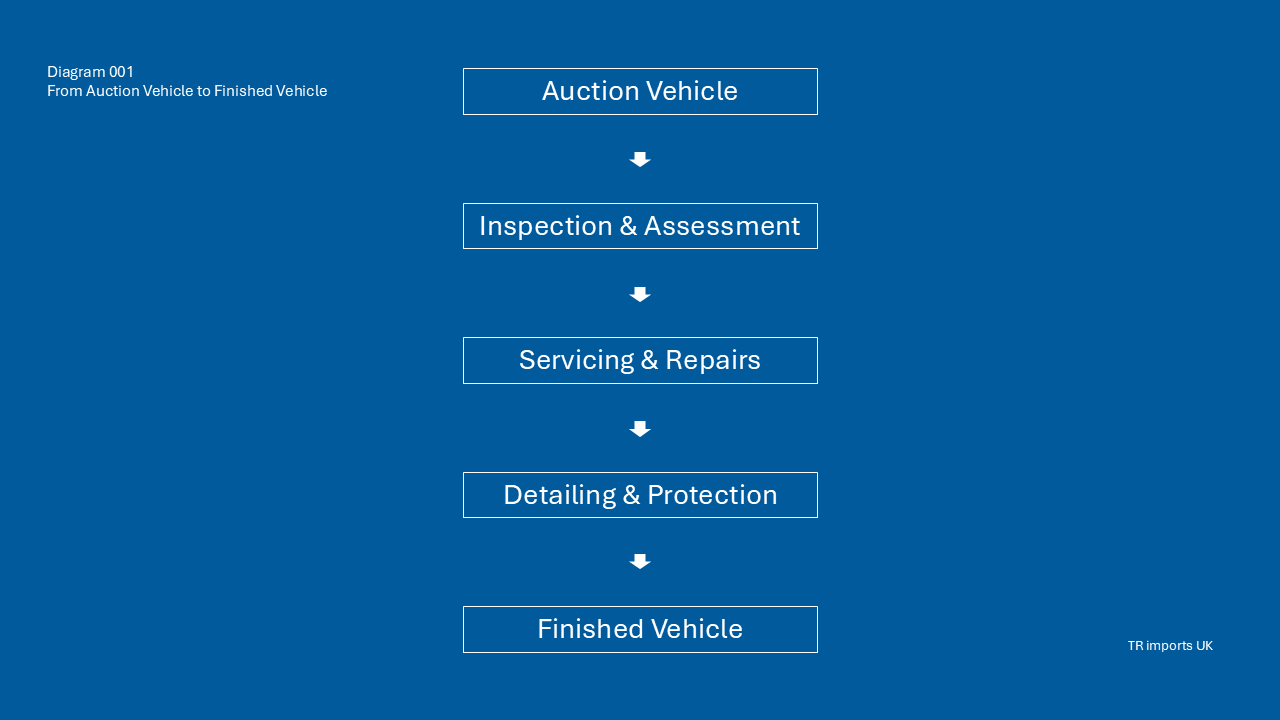
A trader may purchase a vehicle from auction or acquire it directly from a previous owner. Before offering it for retail sale, the vehicle is normally prepared for the next owner.
That preparation may include inspection, servicing, repairs, replacement of worn components, cleaning and cosmetic improvement. The cost of that work is reflected in the retail price.
An auction vehicle is usually offered without service records and may also have hidden issues. It is much closer to the beginning of the preparation process.
Its purchase price may therefore be lower, but it may still require inspection, maintenance, repairs, cleaning, protection or other work after purchase.
This does not mean one route is automatically better than the other.
It simply means that the two prices often represent different products.
The Difference Is Not Only the Car
When comparing vehicles, it is natural to focus on the information shown in an advertisement.
Model and grade
Year
Mileage
Colour
Transmission
Auction grade or condition description
Purchase price
Those details are important, but they do not tell you what condition the vehicle will be in when it is finally handed over in the UK.
Two apparently similar cars may require very different amounts of work.
One may already have been inspected and prepared for retail sale.
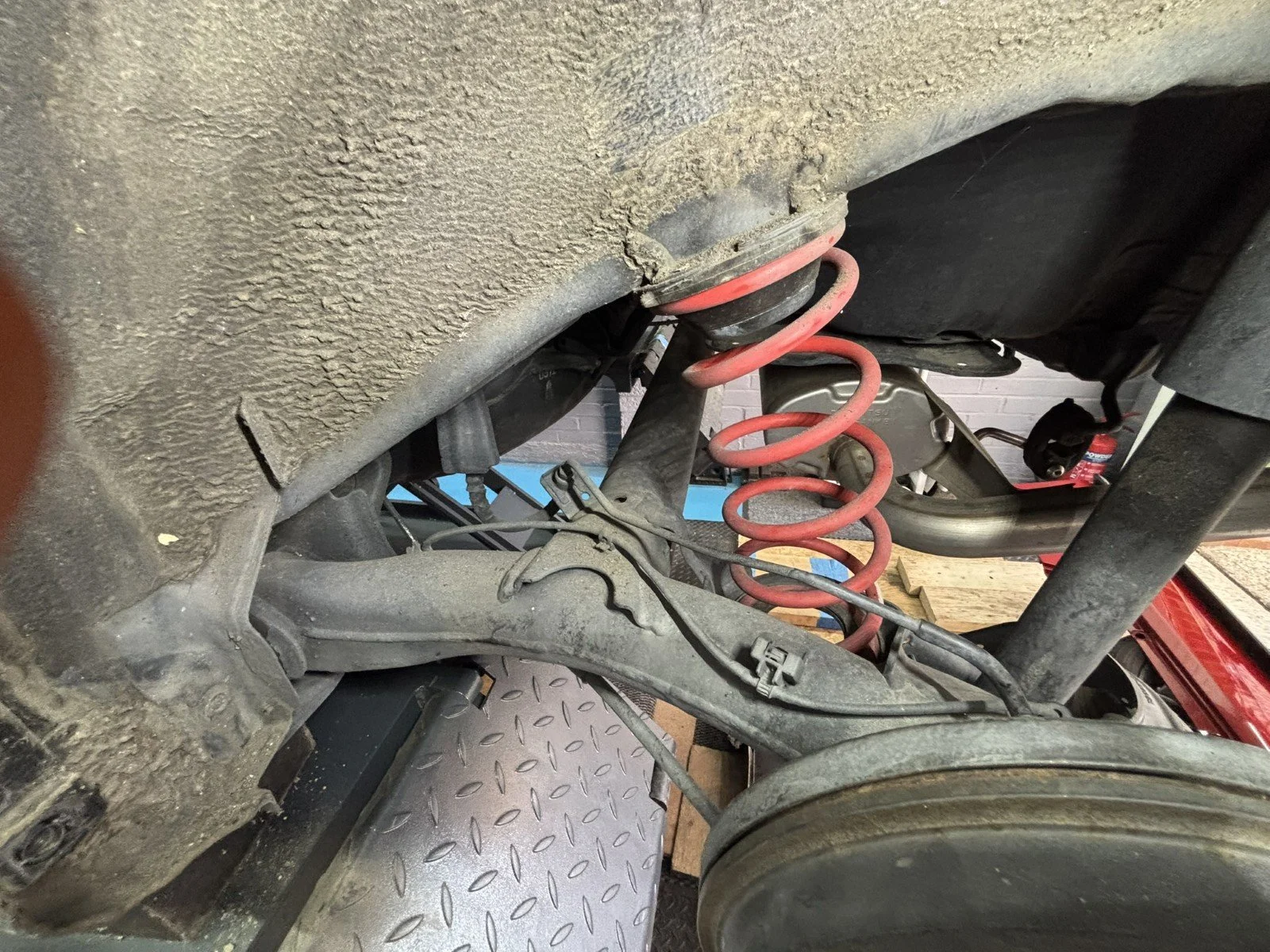
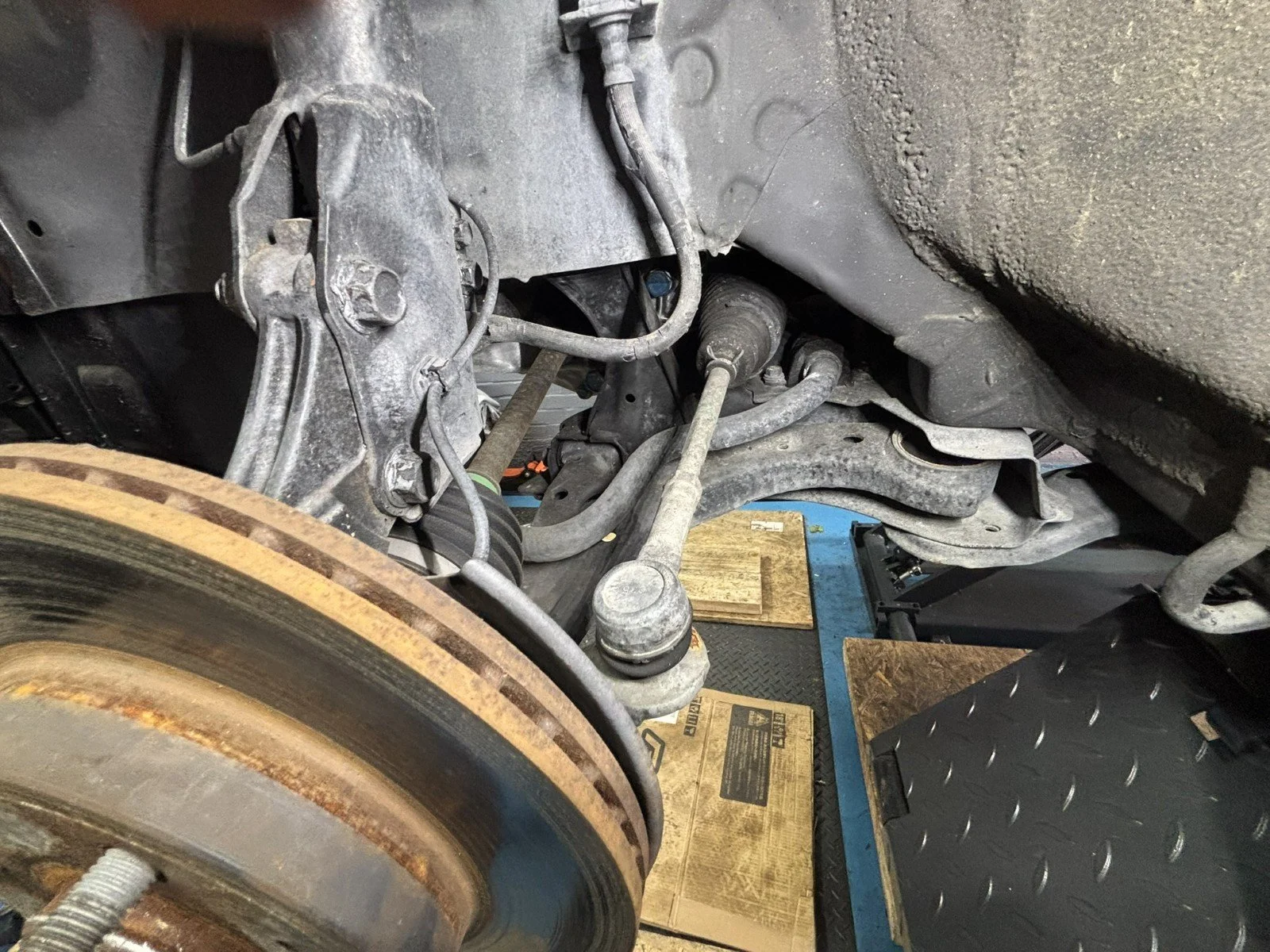
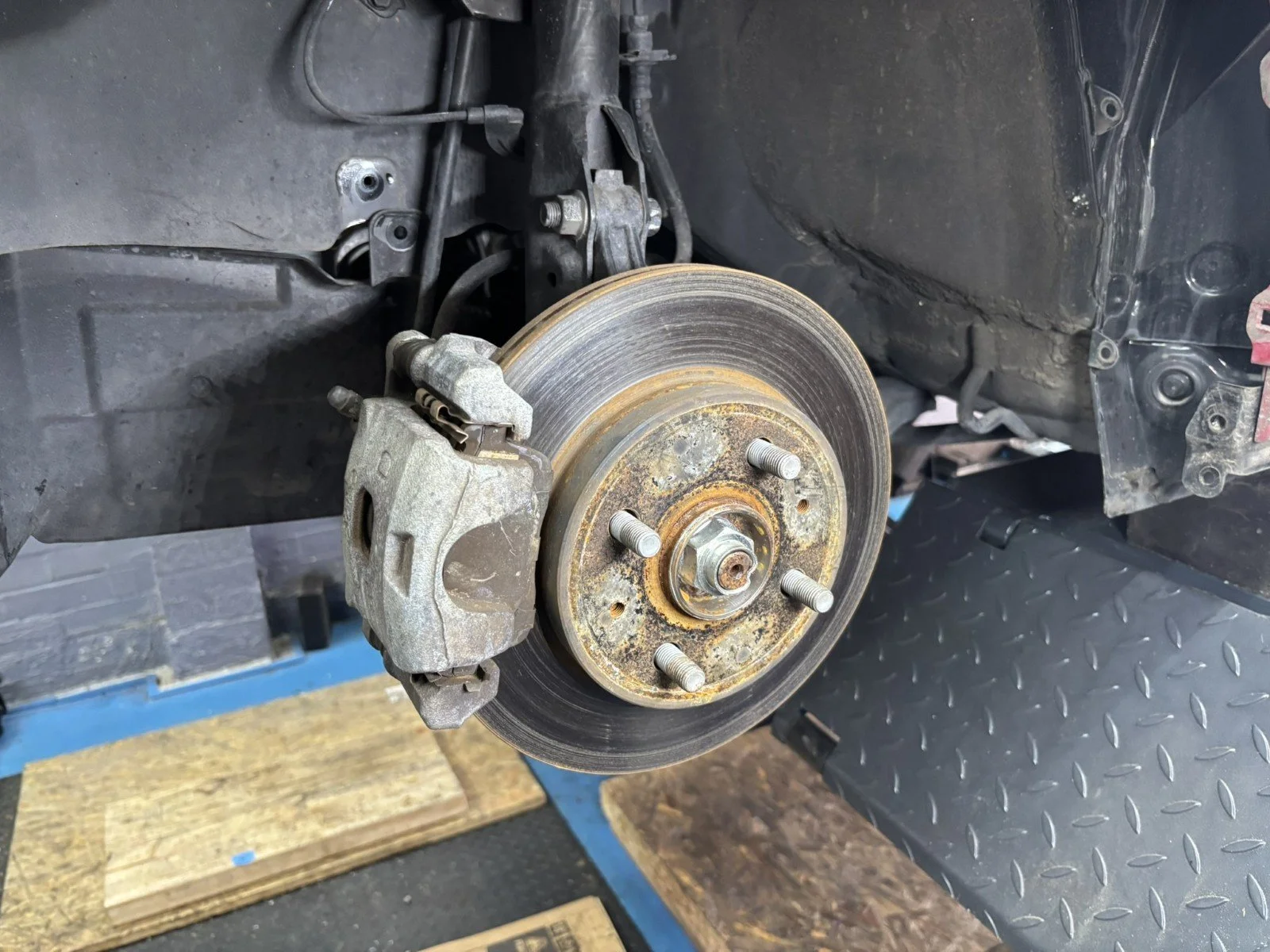
Another may need tyres, brakes, suspension components, fluid changes or corrosion treatment soon after arrival.
A third vehicle may be mechanically healthy but require many hours of detailing before reaching the presentation standard expected by its new owner.
The purchase price tells only part of the story.
Starting With the Finished Project
Before beginning a bespoke vehicle search, it helps to define what you would like to receive at the end of the project.
Some customers simply want us to acquire and import the right vehicle. They are happy to inspect, maintain and improve it themselves after arrival.
Others expect the vehicle to be checked and prepared before they begin using it.
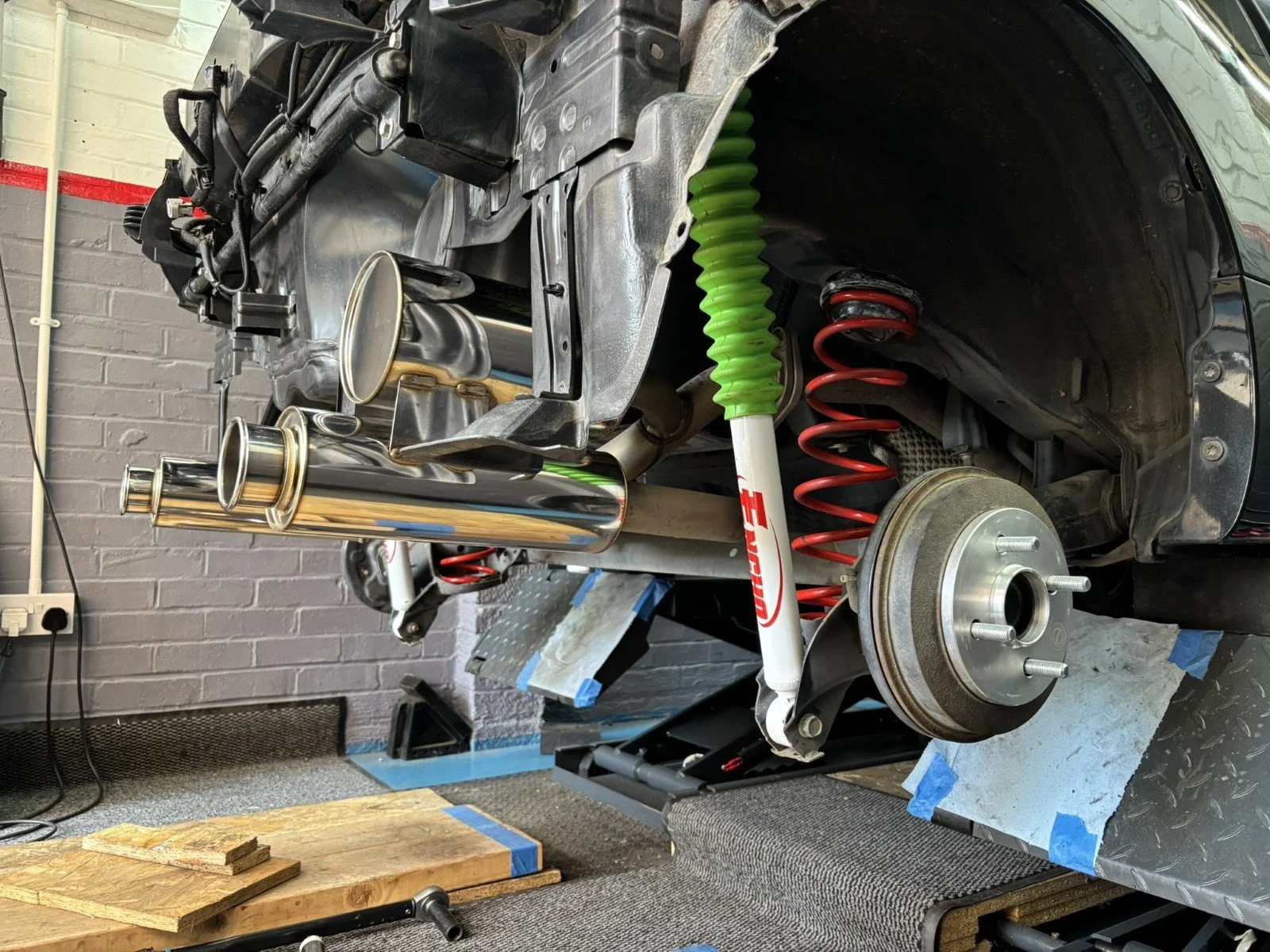
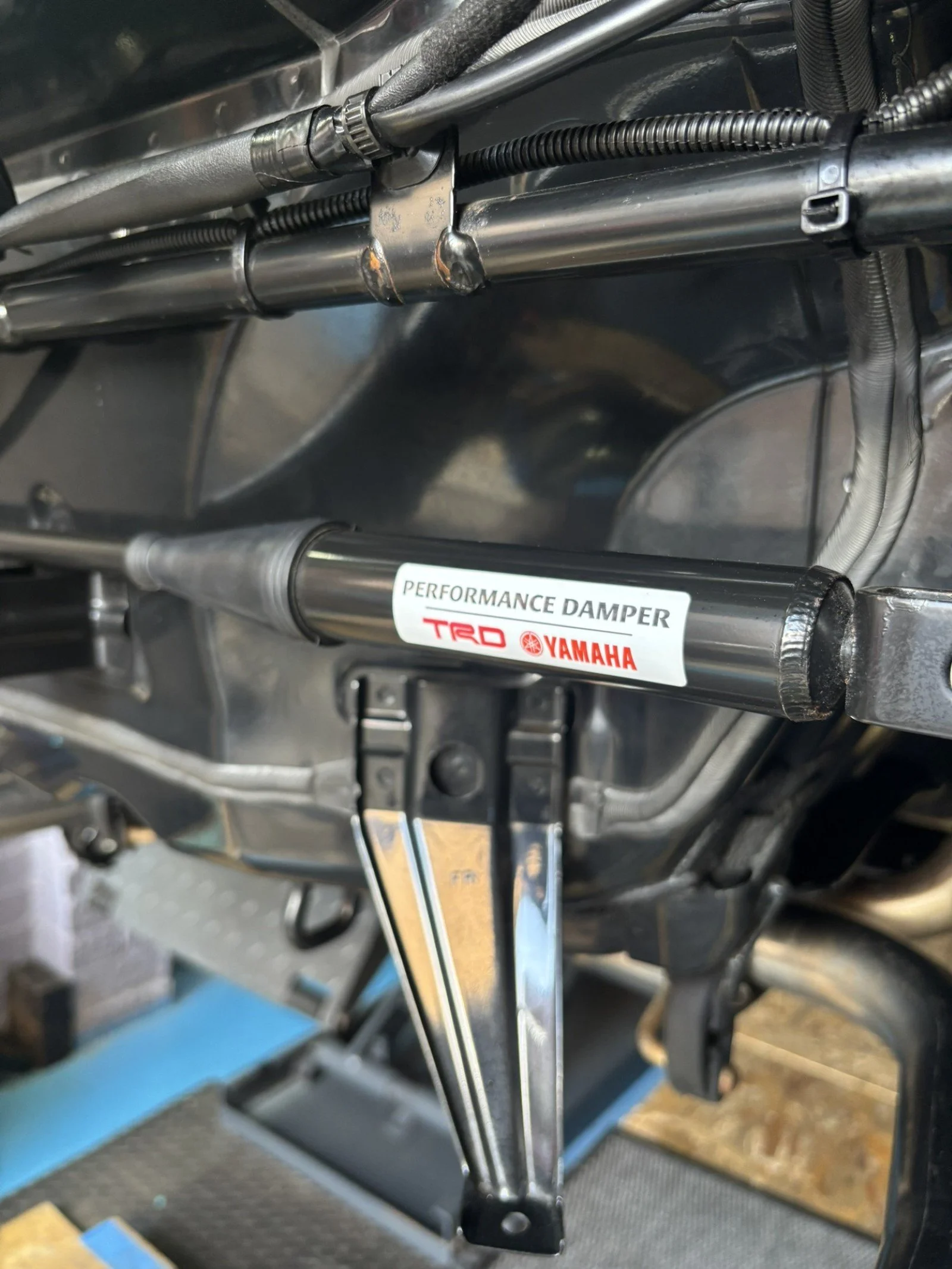
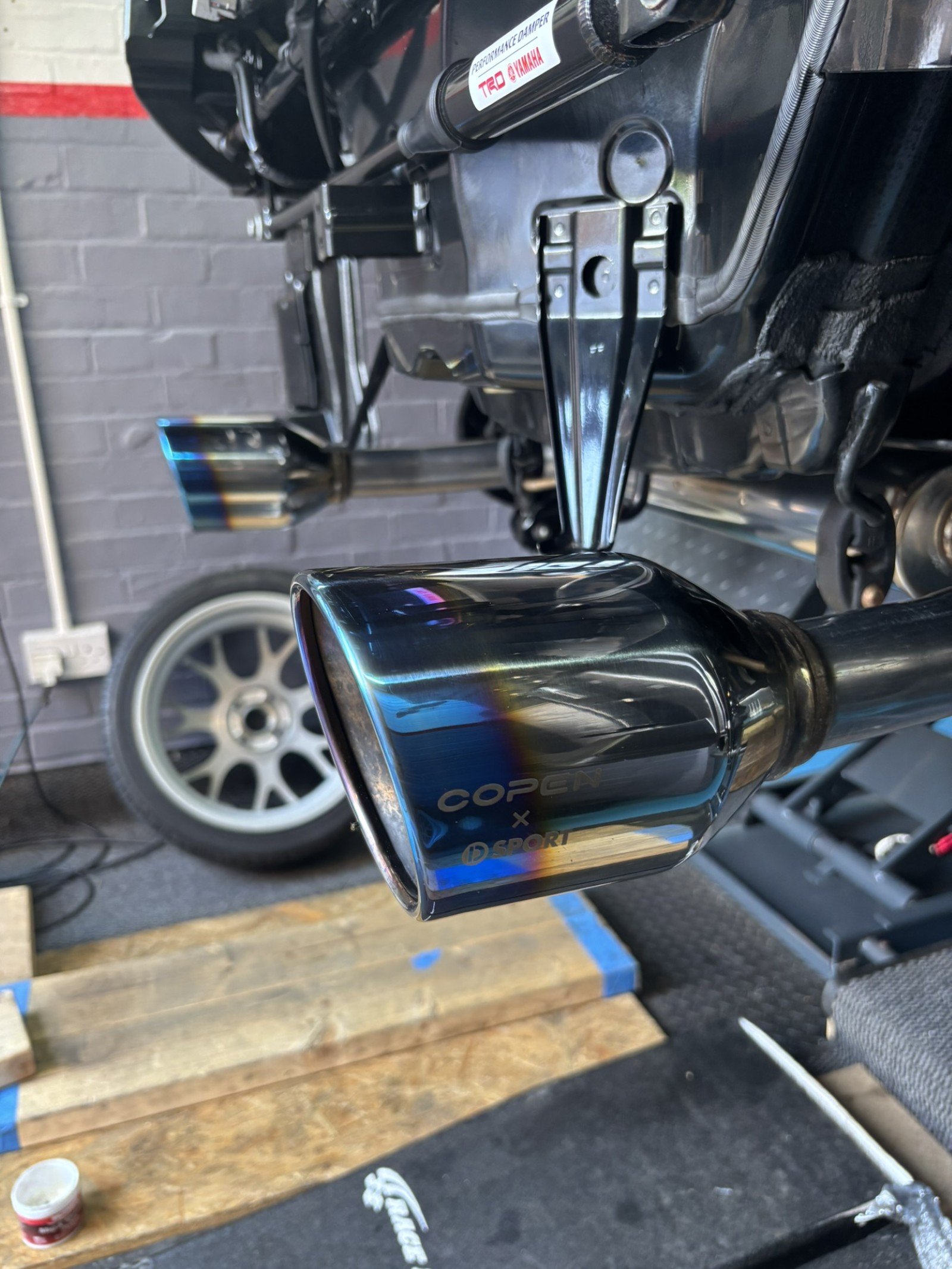
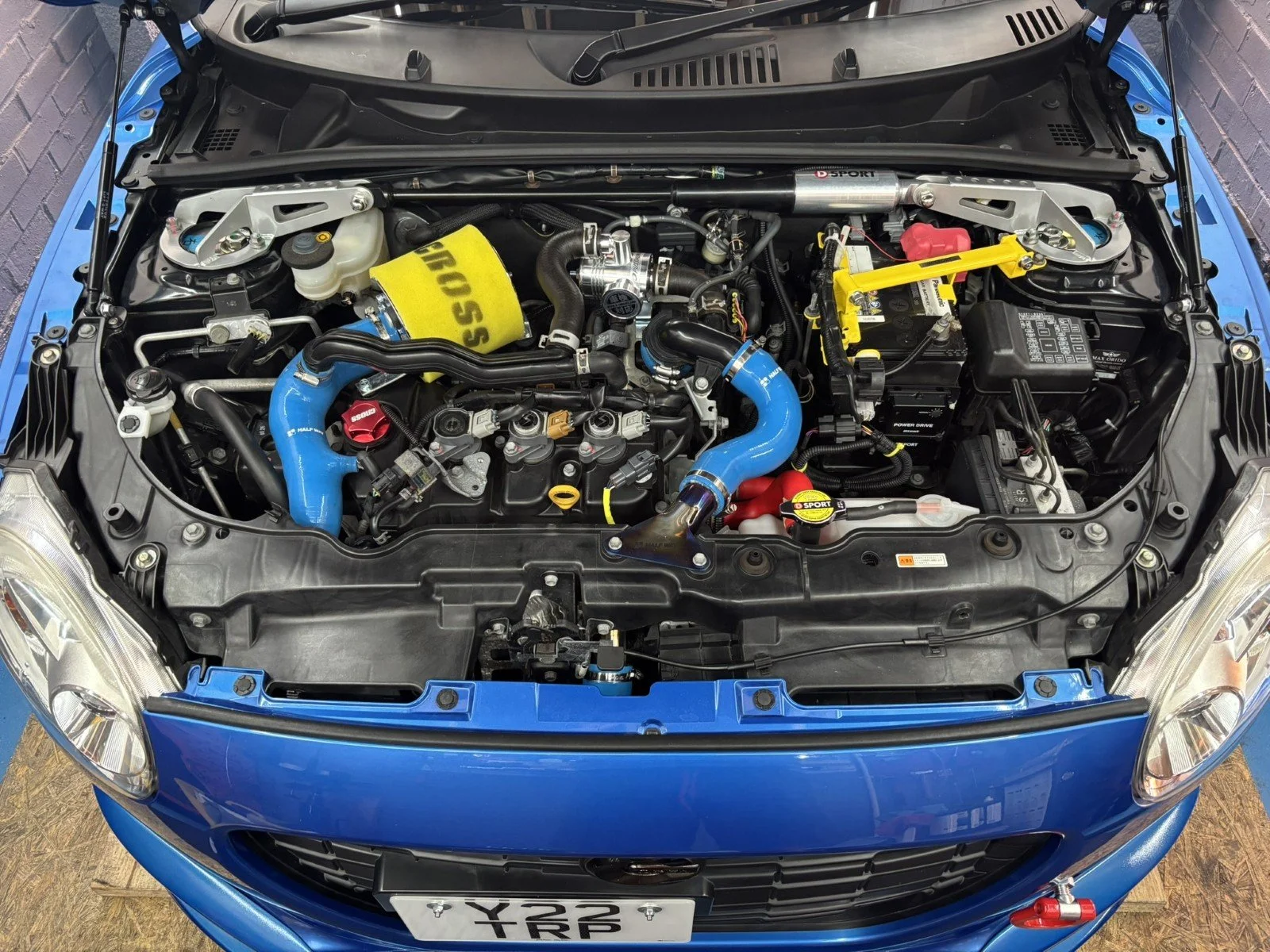
Some also wish to install factory accessories or aftermarket upgrades before export, avoiding additional transport costs later.
There is no single "correct" approach.
The important point is understanding the available choices before deciding which ones suit your own circumstances.
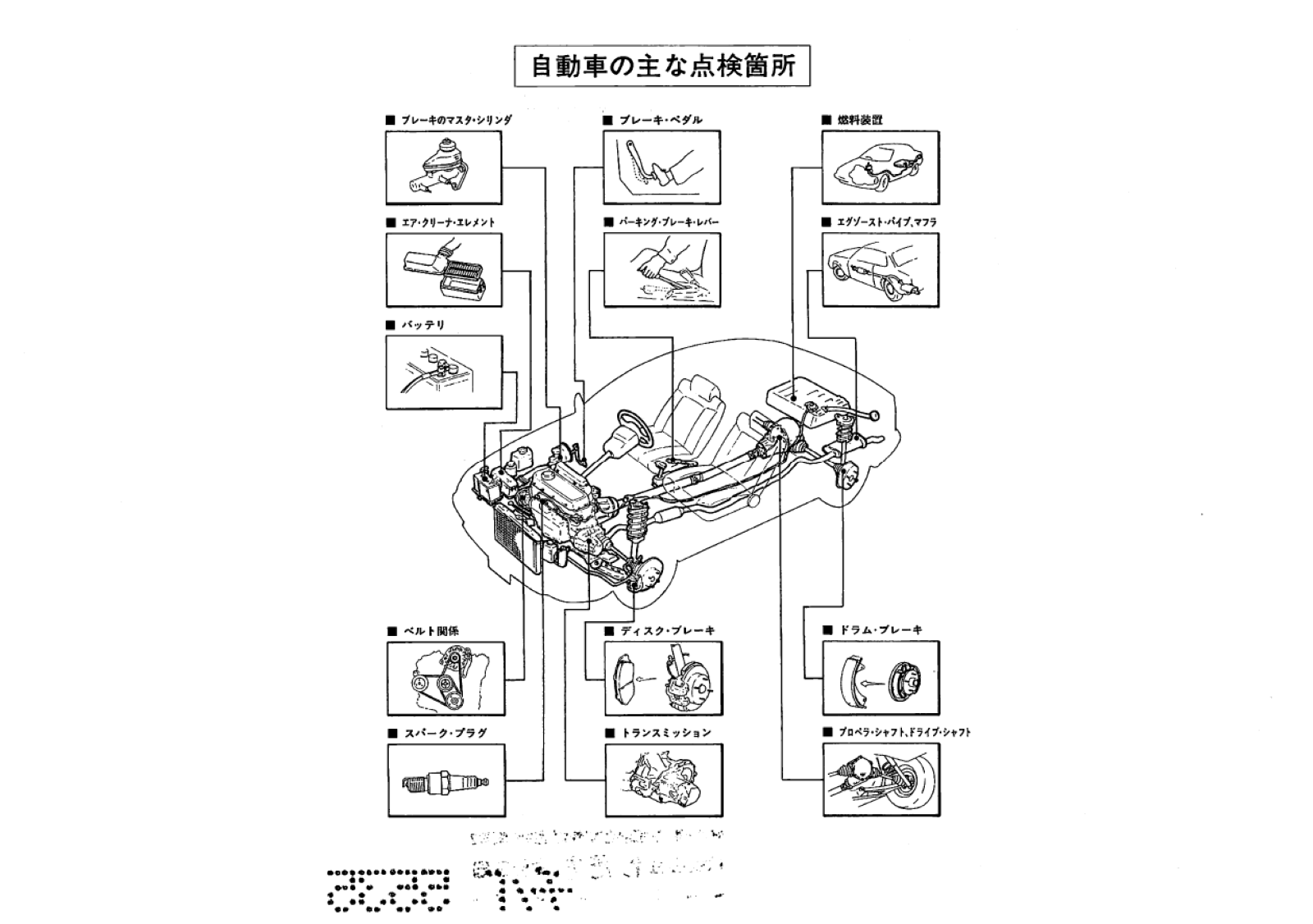
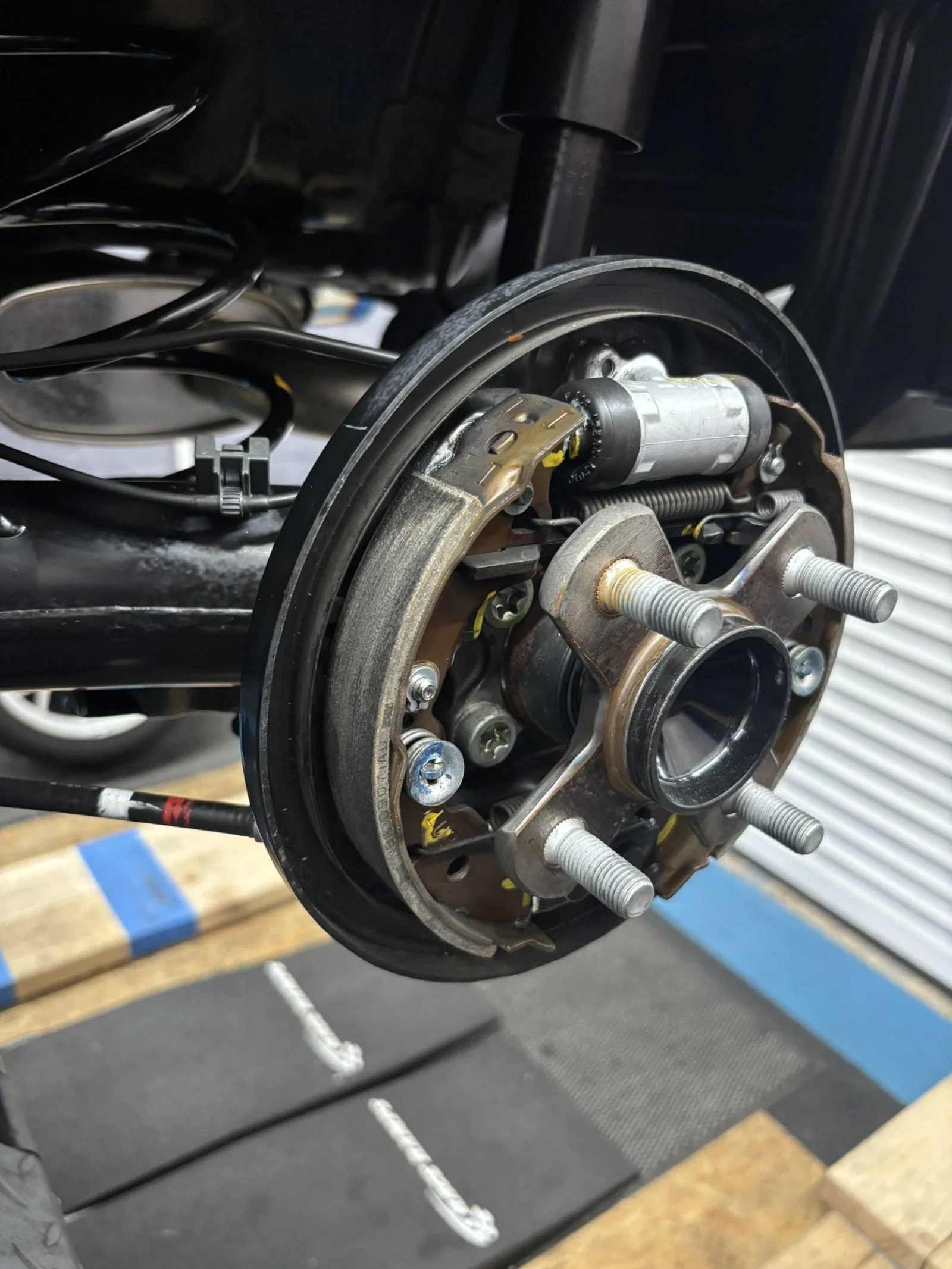
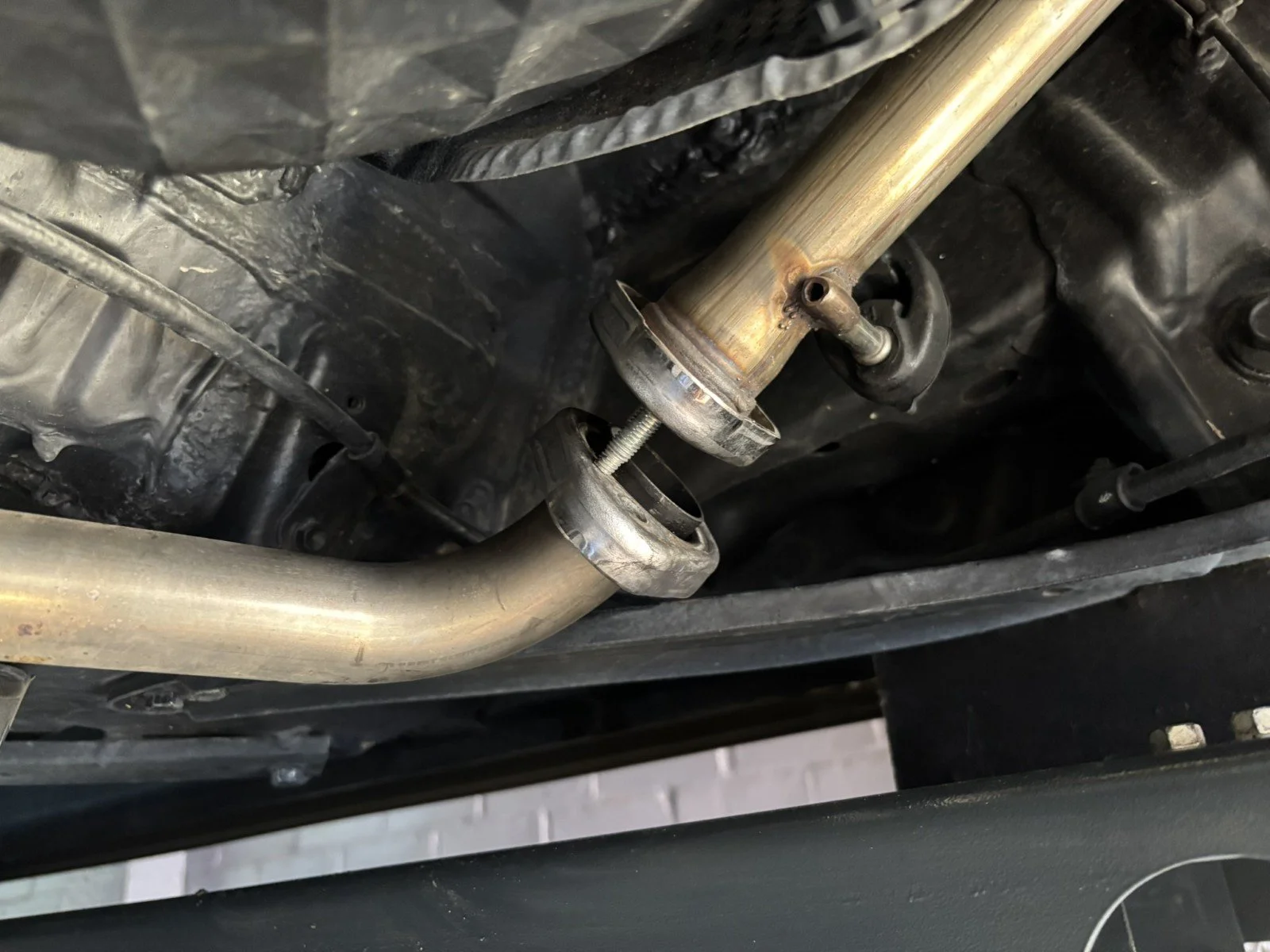
1. Inspection, Servicing and Repair
The first component concerns the health of the vehicle.
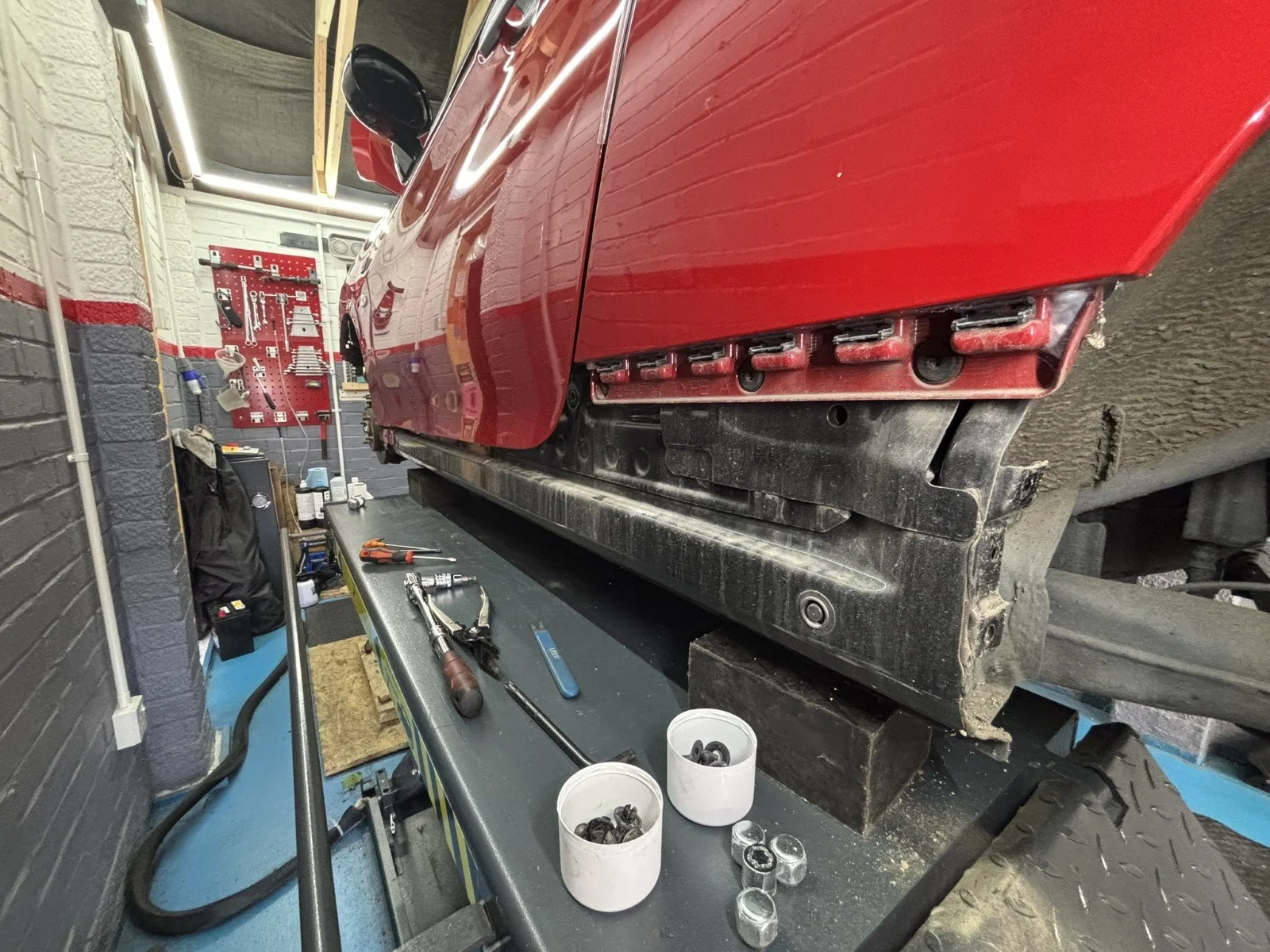
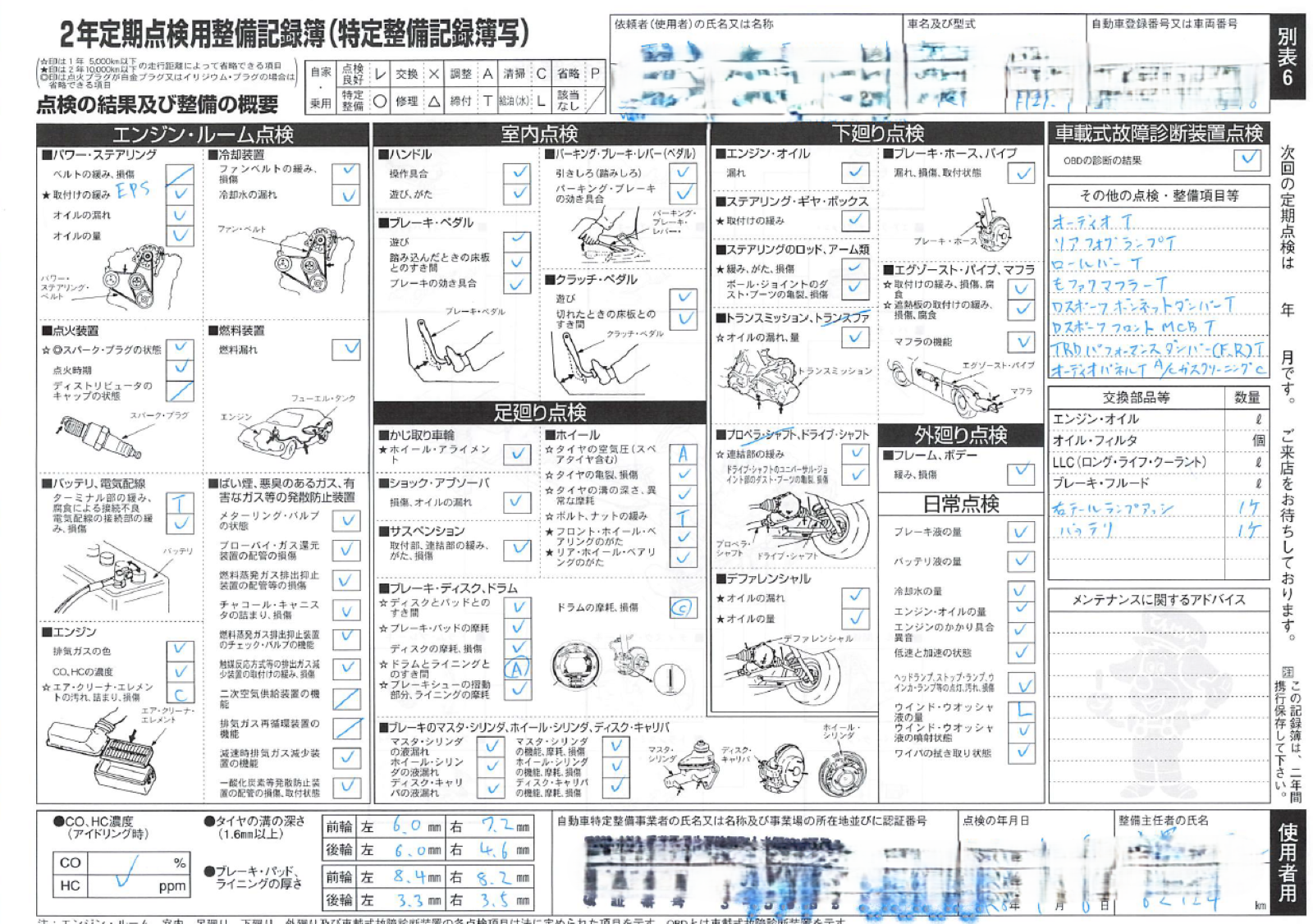
An inspection may identify current faults, worn components and areas that could require attention in the future.
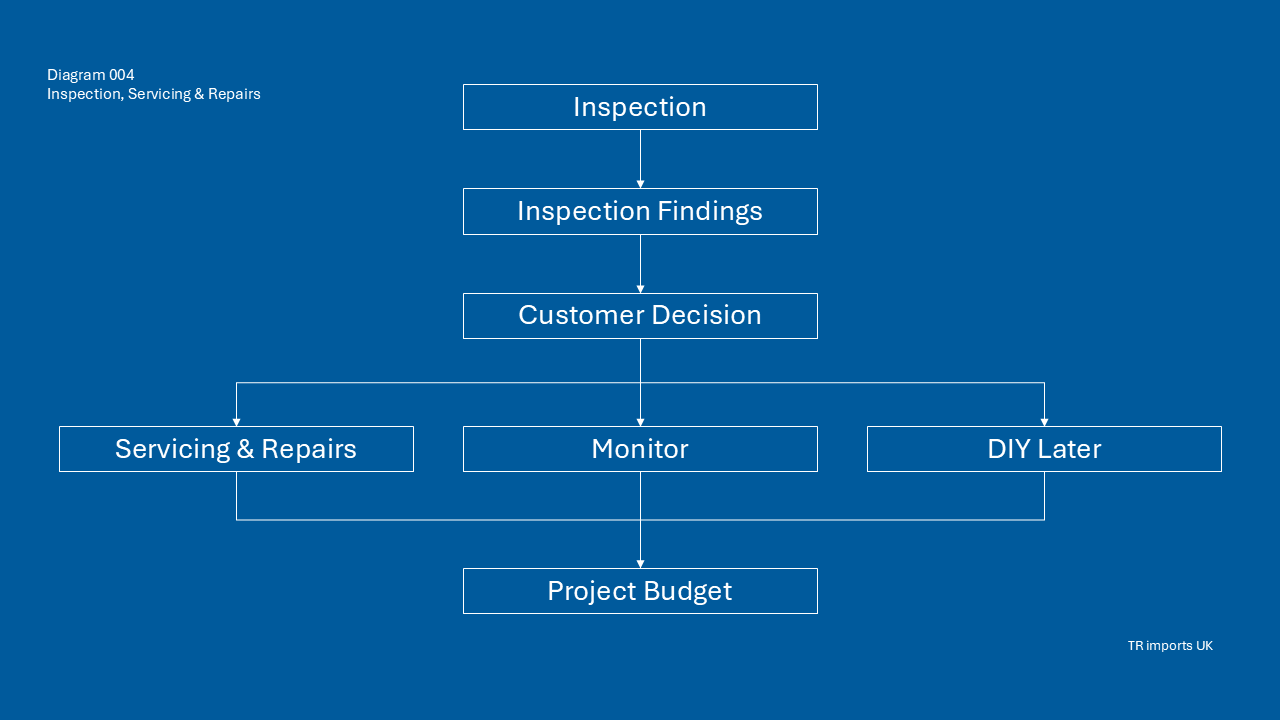
Inspection, servicing and repair are separate decisions.
For example, an inspection may reveal ageing tyres, deteriorating suspension bushes or overdue maintenance. Once those findings are understood, you can decide whether the work should be completed before delivery, carried out later by a local workshop or handled as a DIY project.
No inspection can guarantee that an older used vehicle will never develop a fault.
Its purpose is to reduce uncertainty and help you make better-informed decisions.
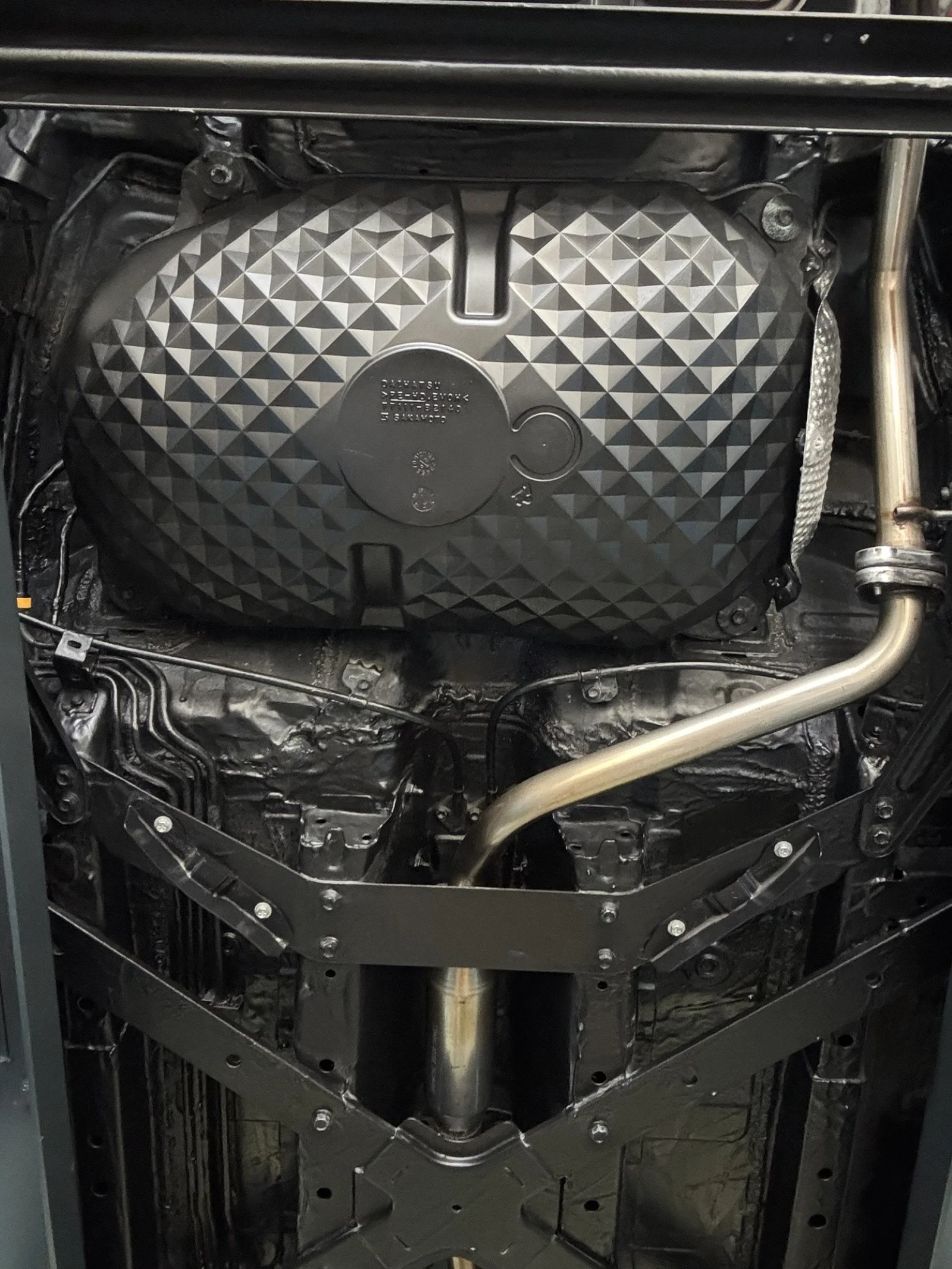
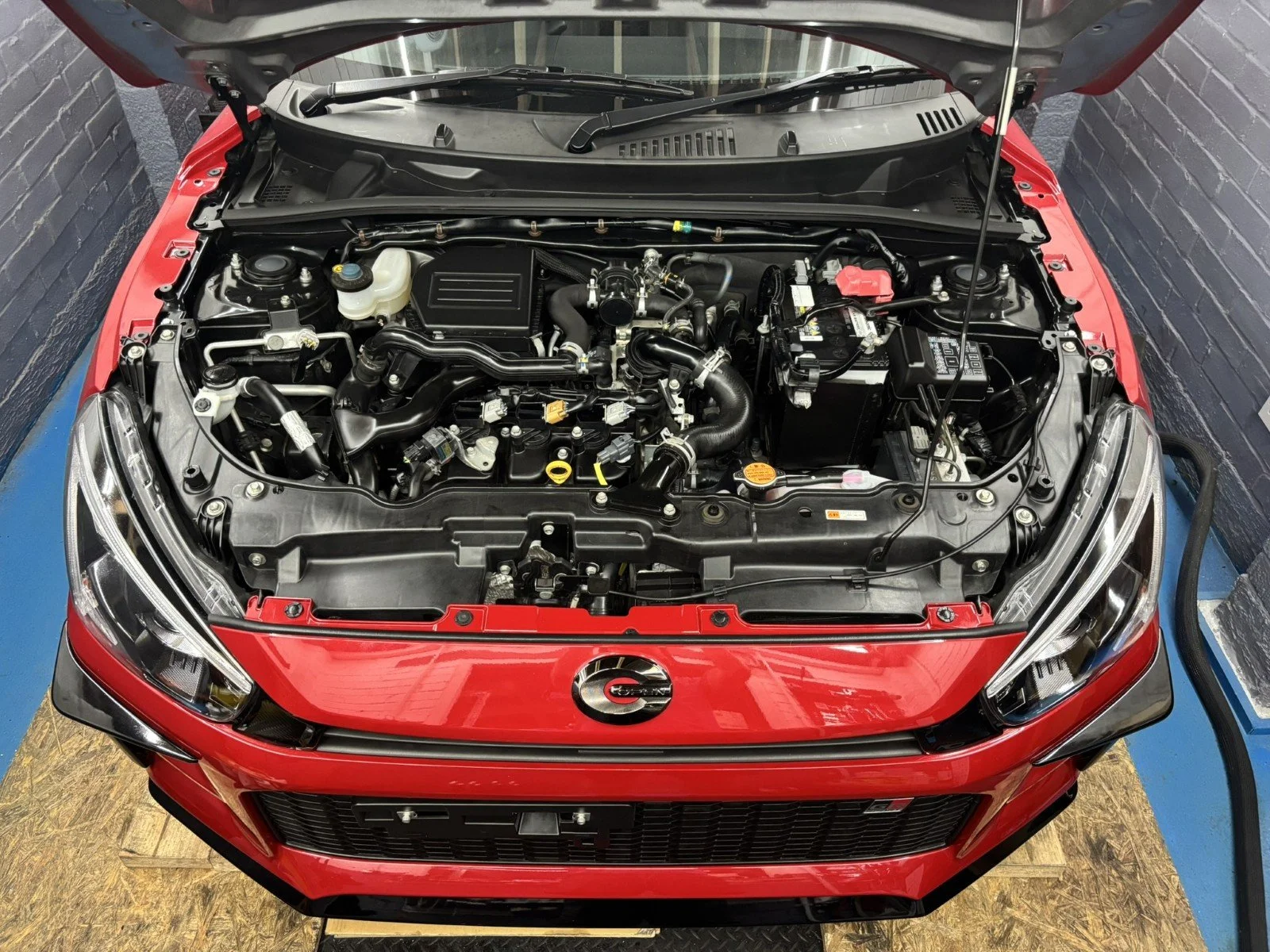
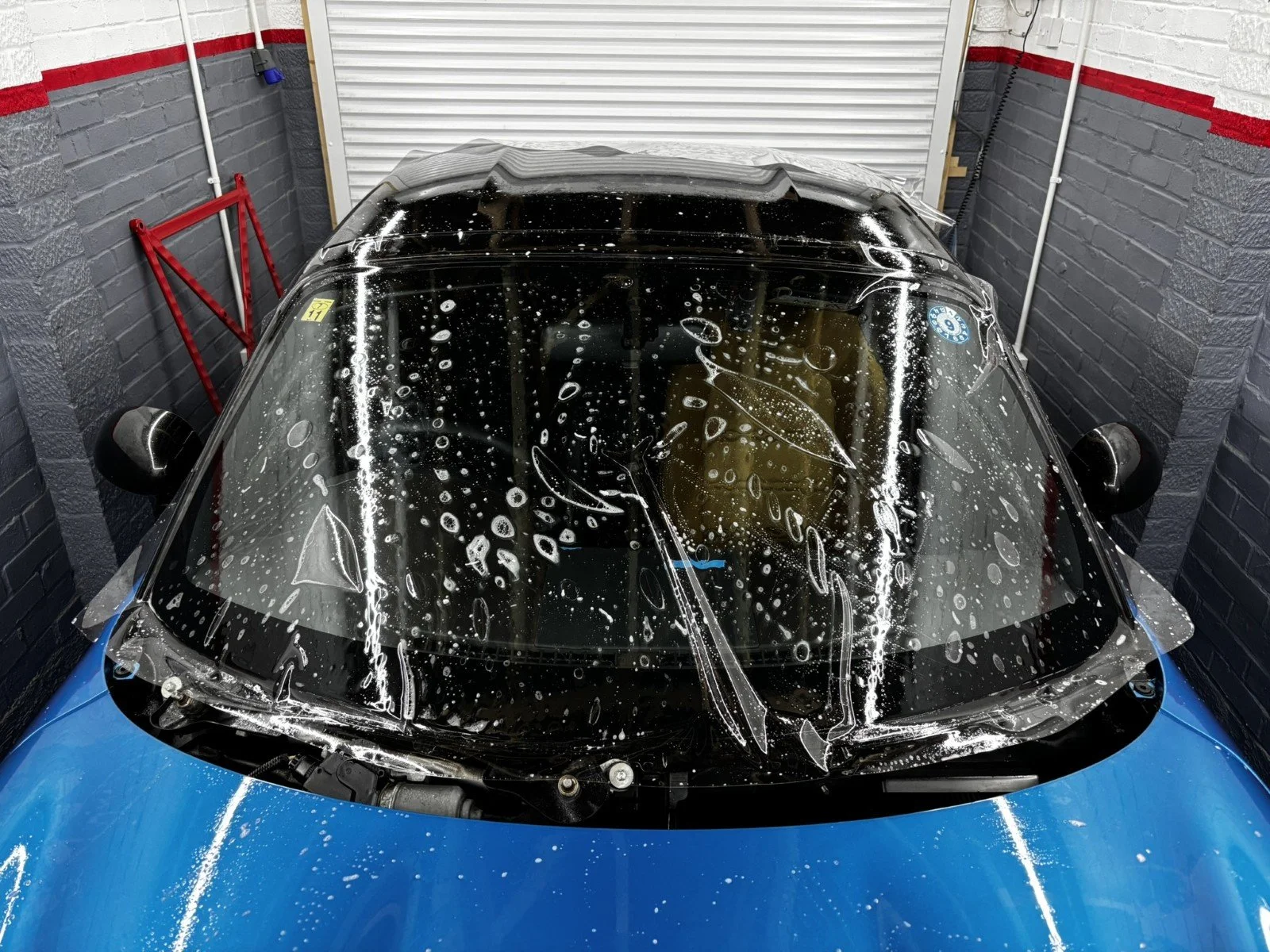
2. Detailing and Protection
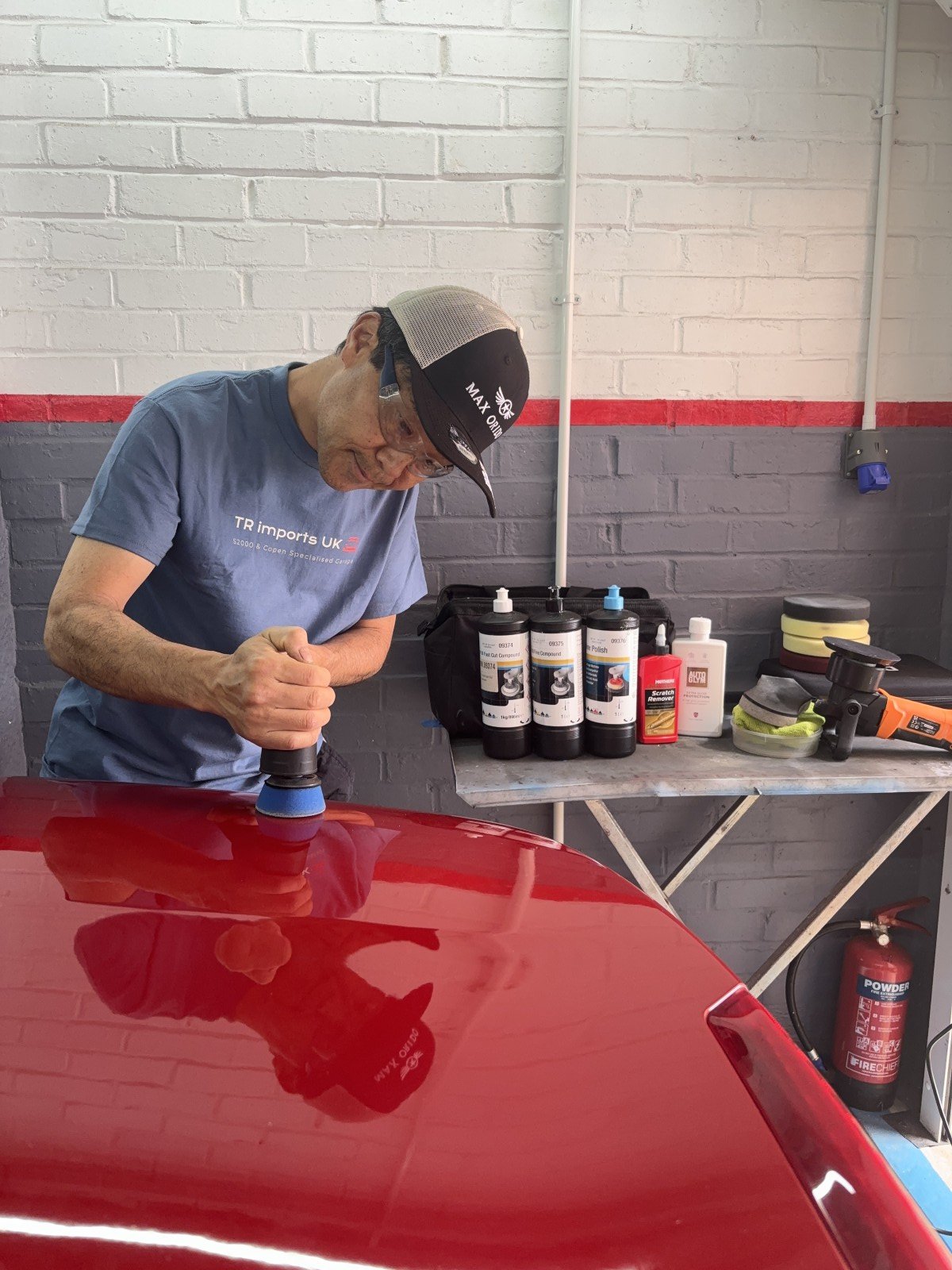
The second component concerns presentation and long-term protection.
This may include work on:
Bodywork
Glass
Interior
Engine bay
Wheel arches
Suspension and brake assemblies
Underbody
Hidden areas behind removable panels
Weather seals
Corrosion protection
PPF and ceramic coatings
The word detailing can describe very different levels of work.
A quick clean and a comprehensive preparation may both be described as detailing, even though the time involved and the finished result can be completely different.
Understanding that difference helps you decide what level of preparation is appropriate for your intended use and budget.
3. Factory Options and Aftermarket Upgrades
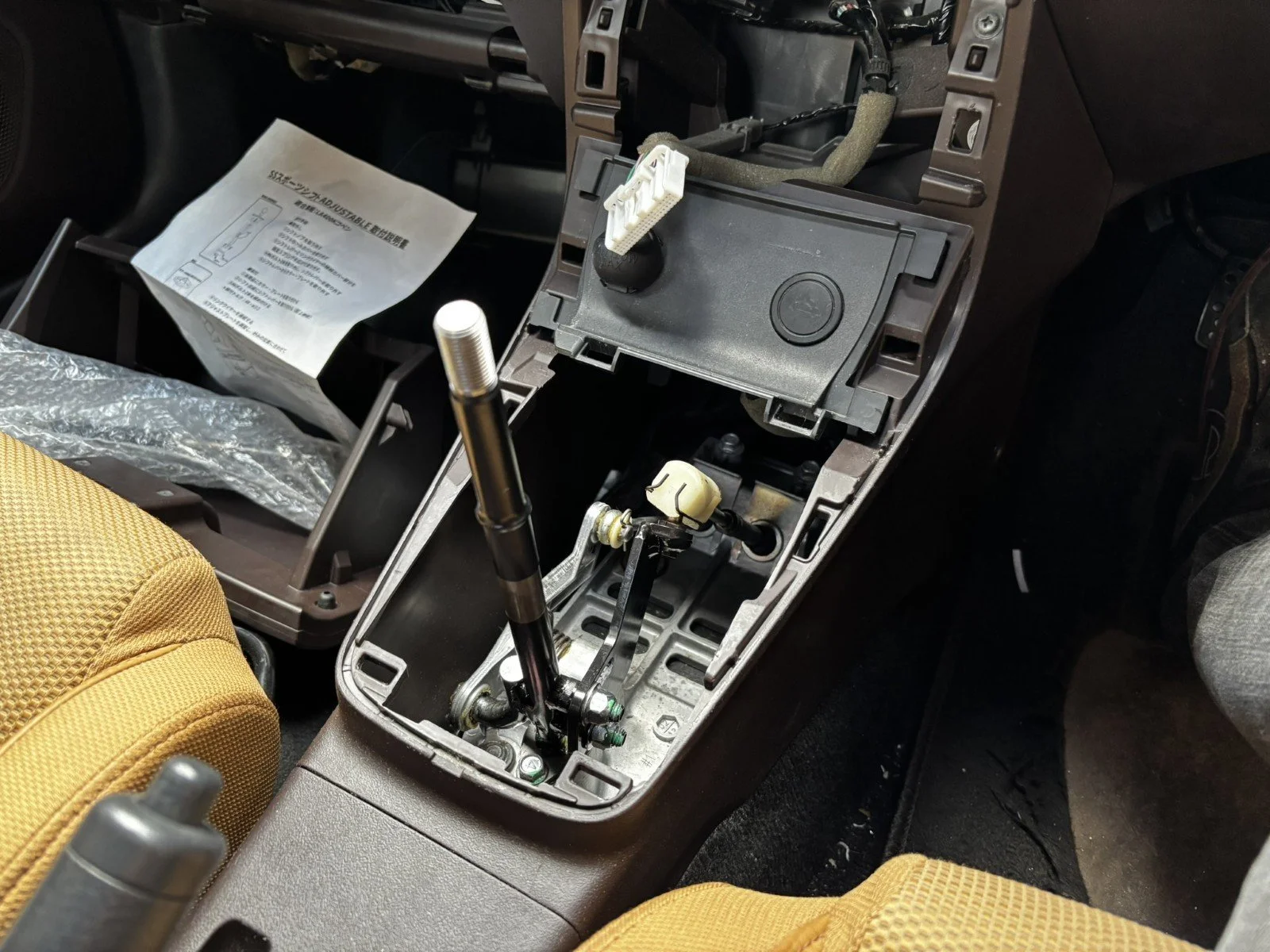
The third component concerns upgrades.
Some customers wish to install factory accessories before export.
Others prefer Japanese aftermarket wheels, suspension, brakes, body parts or interior equipment.
These upgrades are often easier to source in Japan, but they also influence the overall budget, shipping arrangements and project timescale.
For that reason, they are usually easier to plan before purchasing the vehicle than afterwards.



Different Customers Make Different Choices
No two projects are exactly the same.
A capable DIY owner may choose an auction vehicle and complete most of the preparation personally.
Another customer may make similar choices because the available budget is limited.
Someone else may prefer the vehicle to be inspected, serviced, detailed and protected before delivery.
None of these approaches is automatically right or wrong.
Each involves different costs, responsibilities and risks.
The purpose of our proposal is not to persuade every customer to choose the same route.
It is to help each customer understand what is included, what is not included, and what may still require attention after delivery.
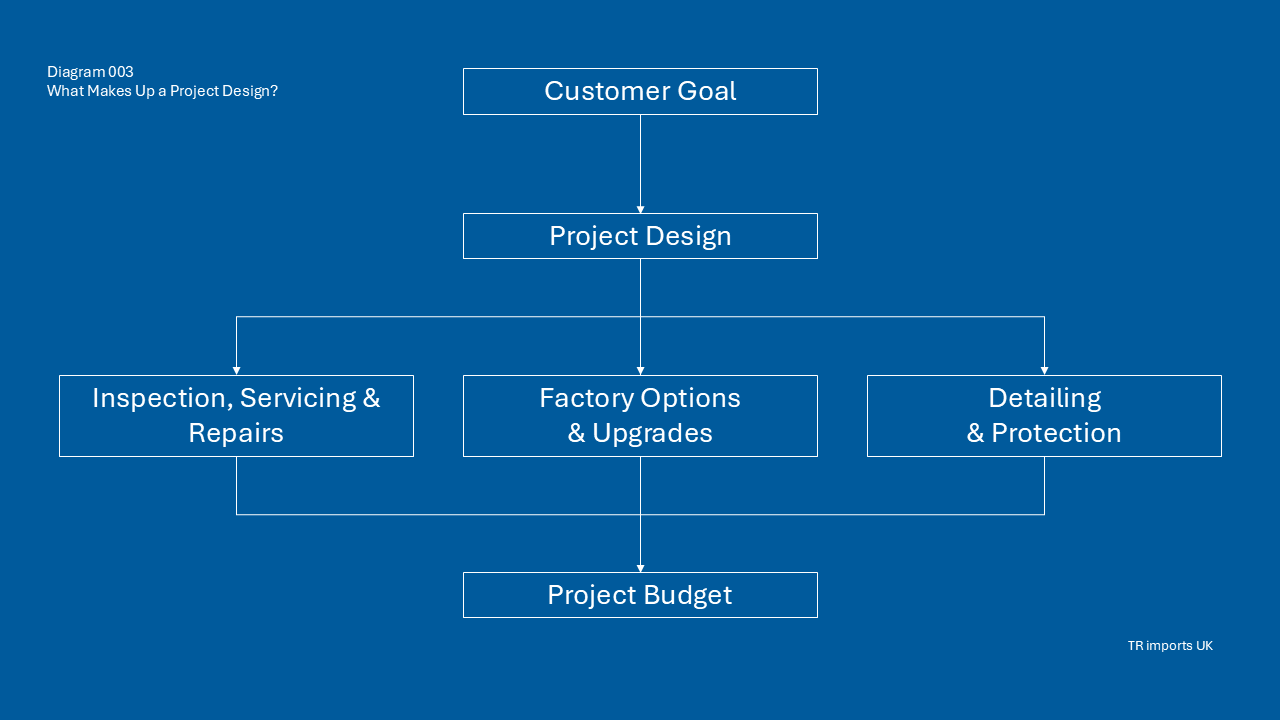
Turning a General Budget into a Project Budget
Many customers begin with a general budget based on an online advertisement or auction history.
That starting budget usually includes:
Vehicle acquisition
Transportation within Japan
Export fees
Shipping
UK import taxes
Registration
Delivery
The project budget then allows you to decide whether to add:
Inspection
Servicing and repairs
Detailing and protection
Optional upgrades
Only after those decisions have been considered does a general budget become a realistic project budget.
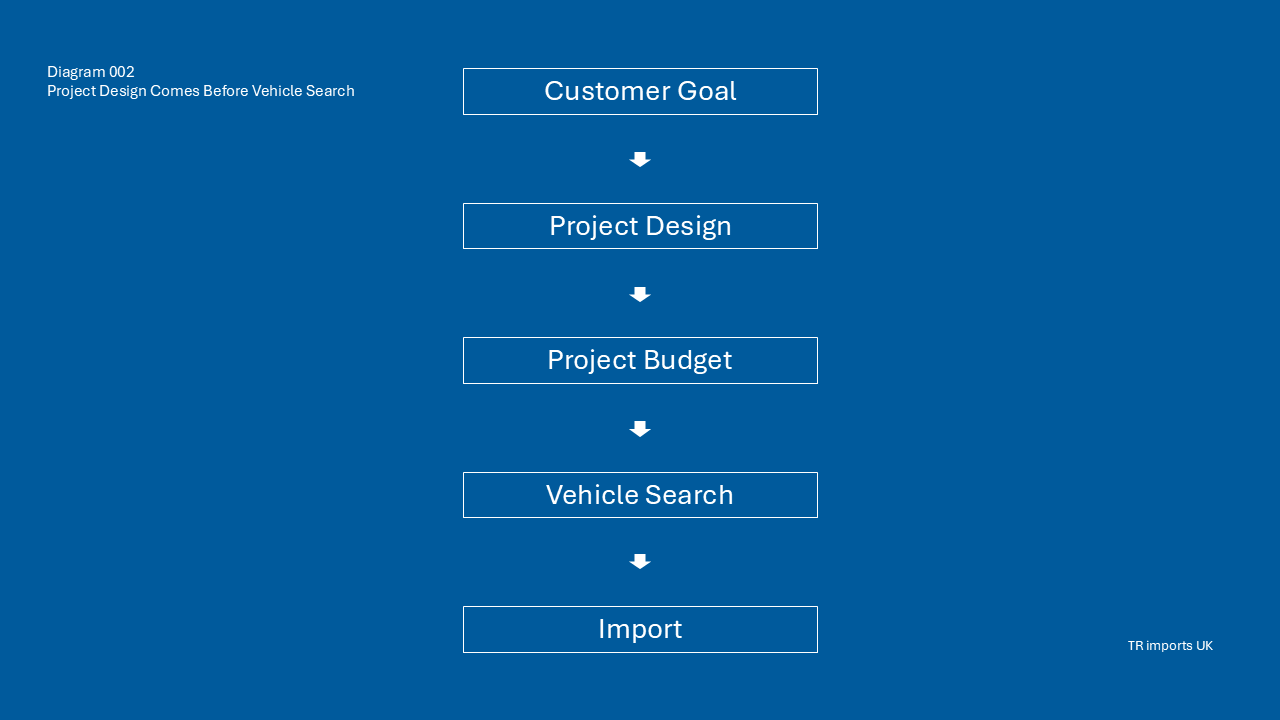
This is why our proposal process comes before the vehicle search.
Choosing Between Trader Stock and Auction
Japanese trader stock and auction purchasing involve different decision-making processes.
A trader vehicle already exists as a finished retail product.
You can review photographs, ask questions and usually take some time to consider the purchase, although another buyer may secure the vehicle first.
An auction search is different.
The right vehicle may not appear for weeks or even months.
When it does, there may be very little time to inspect the available information and decide whether to bid, particularly when working across different time zones.
For that reason, the search criteria need to be agreed beforehand.
They may include:
Acceptable mileage
Condition
Grade
Colour
Specification
Repair history
Maximum purchase price
Acceptable compromises
Non-negotiable requirements
The customer is not giving unlimited authority.
The customer is defining the boundaries within which the search can be carried out.
Why the Proposal Comes Before the Search
Once the project, budget and search criteria have been agreed, the next stages become much clearer.
Questions can be answered.
Responsibilities can be understood.
The contract records the decisions that have been made, and the deposit allows the search to begin.
This sequence becomes particularly important when an auction opportunity appears unexpectedly and a decision needs to be made quickly.
The proposal creates a shared understanding before that moment arrives.
What If You Do Not Want Vehicle Preparation?
An acquisition and import service can still be the right choice for many experienced owners.
Some customers genuinely enjoy carrying out the inspection, servicing and improvement work themselves.
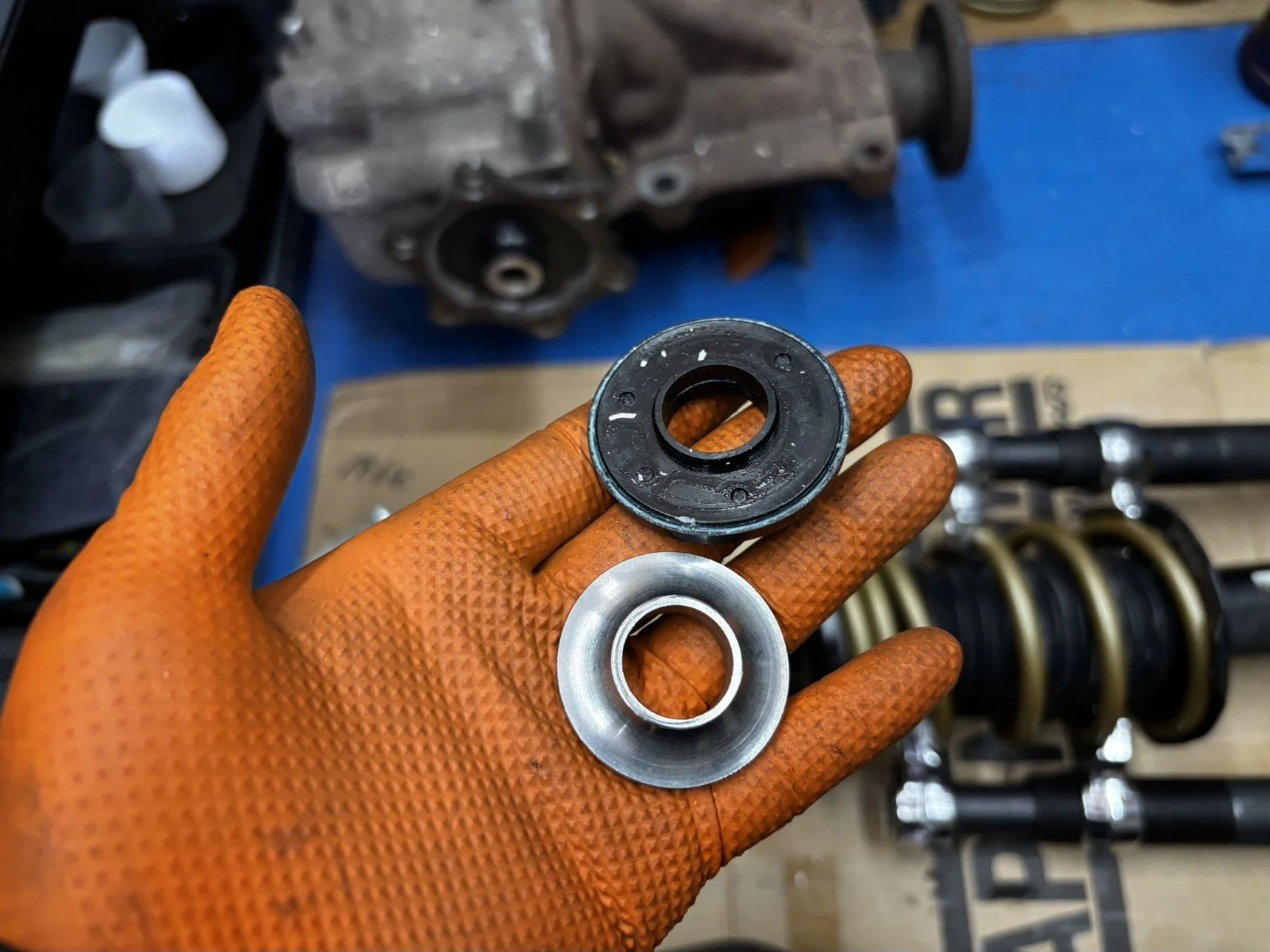
However, an auction vehicle does not become a prepared retail vehicle simply because it has arrived in the UK.
Maintenance and repairs may still be required.
Many customers who choose this route later return for parts supply, technical advice or specialist upgrades.
The important point is that the decision was made knowingly rather than becoming an unexpected surprise.


Timing Also Changes the Available Choices
Time influences an import project just as much as budget.
If you are hoping to enjoy an imported vehicle during the current summer, it may already be too late for a bespoke import project.
Planning for next spring, however, still allows time for an auction search, vehicle preparation, shipping and UK registration.
Even then, the schedule needs to take account of Japanese summer holidays, year-end closures and shipping deadlines.
A vehicle intended for the beginning of next season may need to be purchased and loaded for export before the end of November.
Preparation projects also require planning.
Workshop availability becomes increasingly limited as owners begin organising their winter projects, while made-to-order wheels and specialist components may require several months before delivery.
Starting the planning process earlier simply gives you more choices.
Specialist Knowledge and the Search Network
Different vehicles require different levels of specialist knowledge.
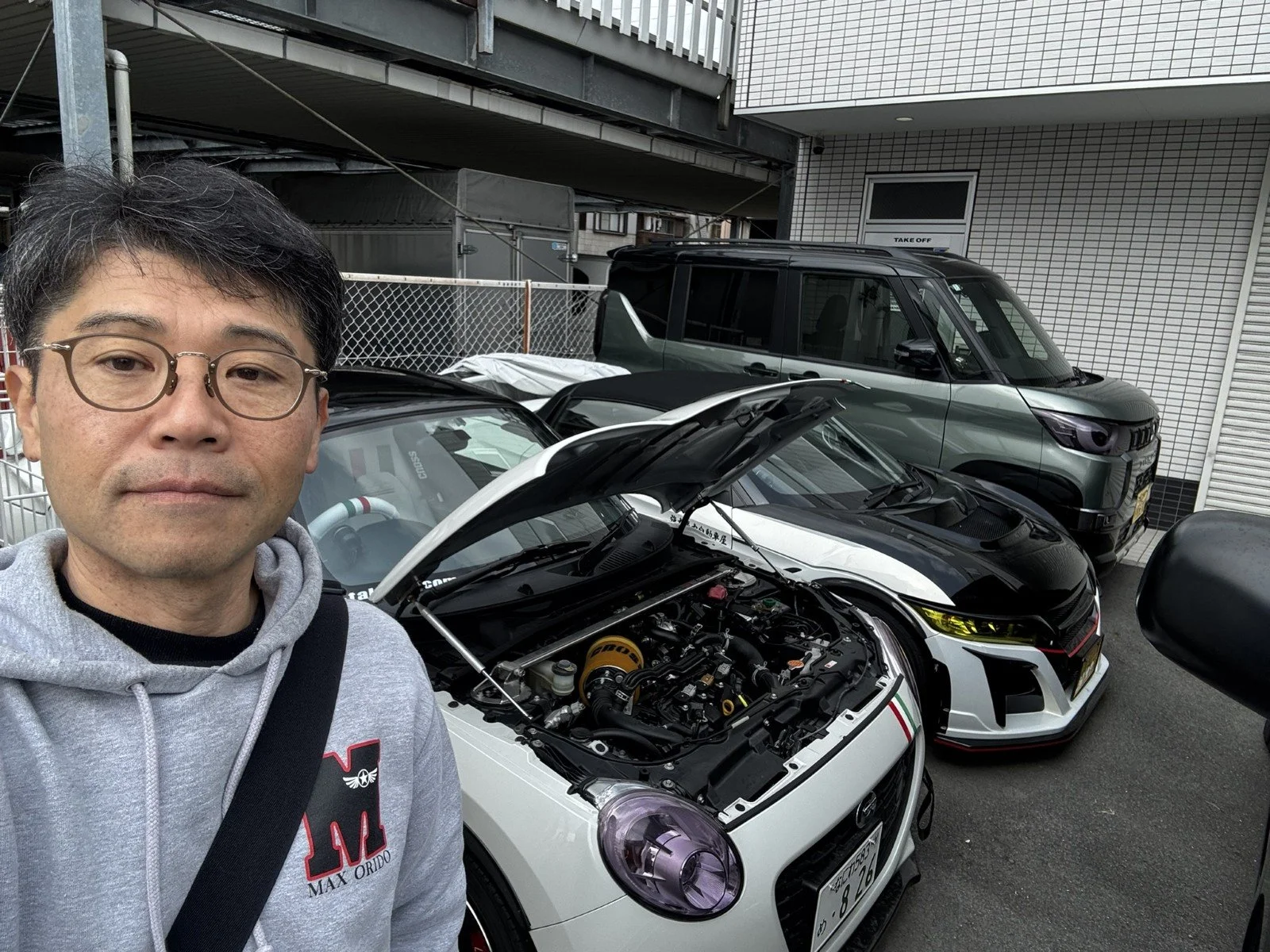
Being Japanese allows us to access information, customs and industry knowledge that rarely appear in English-language searches.
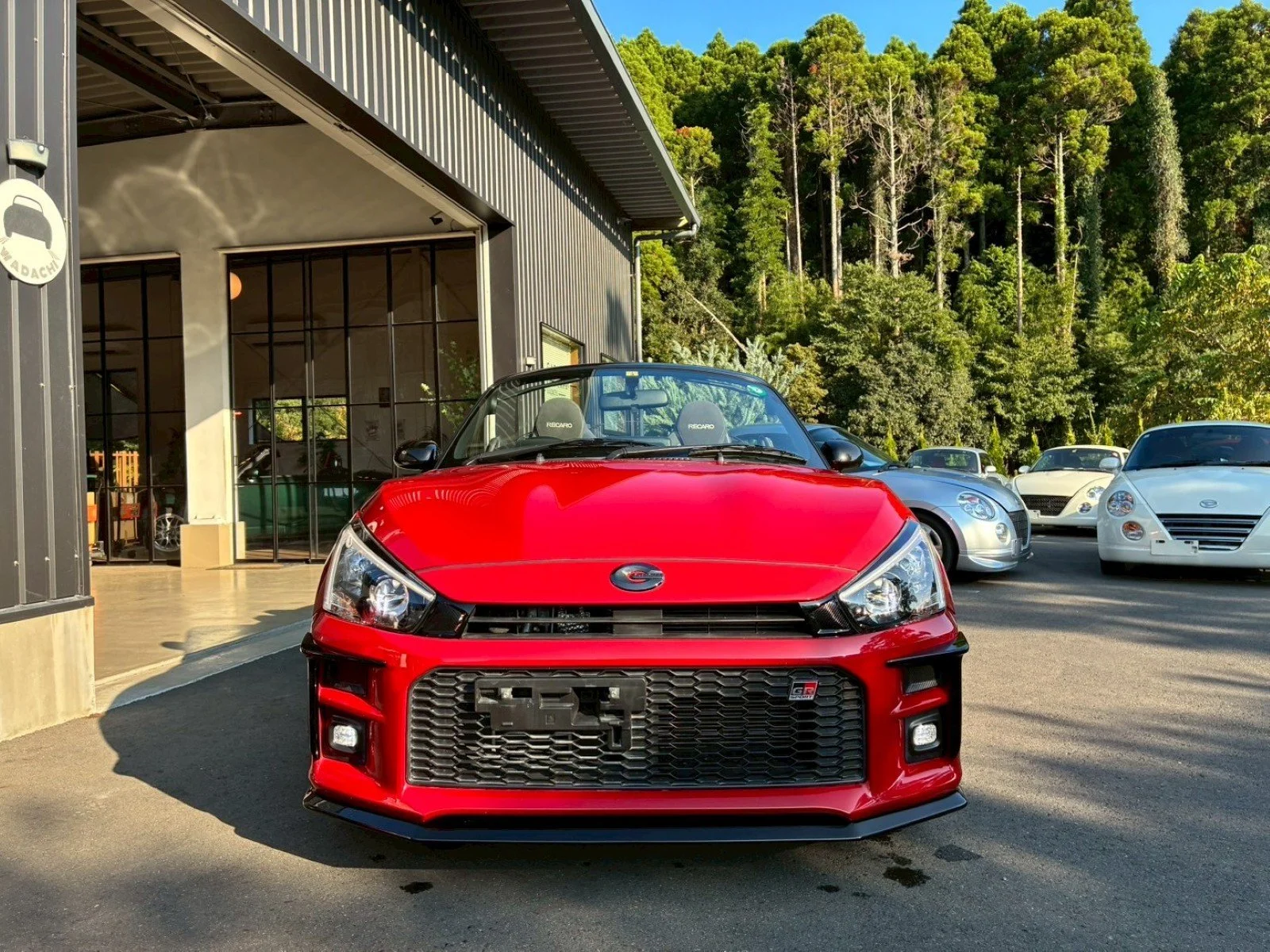
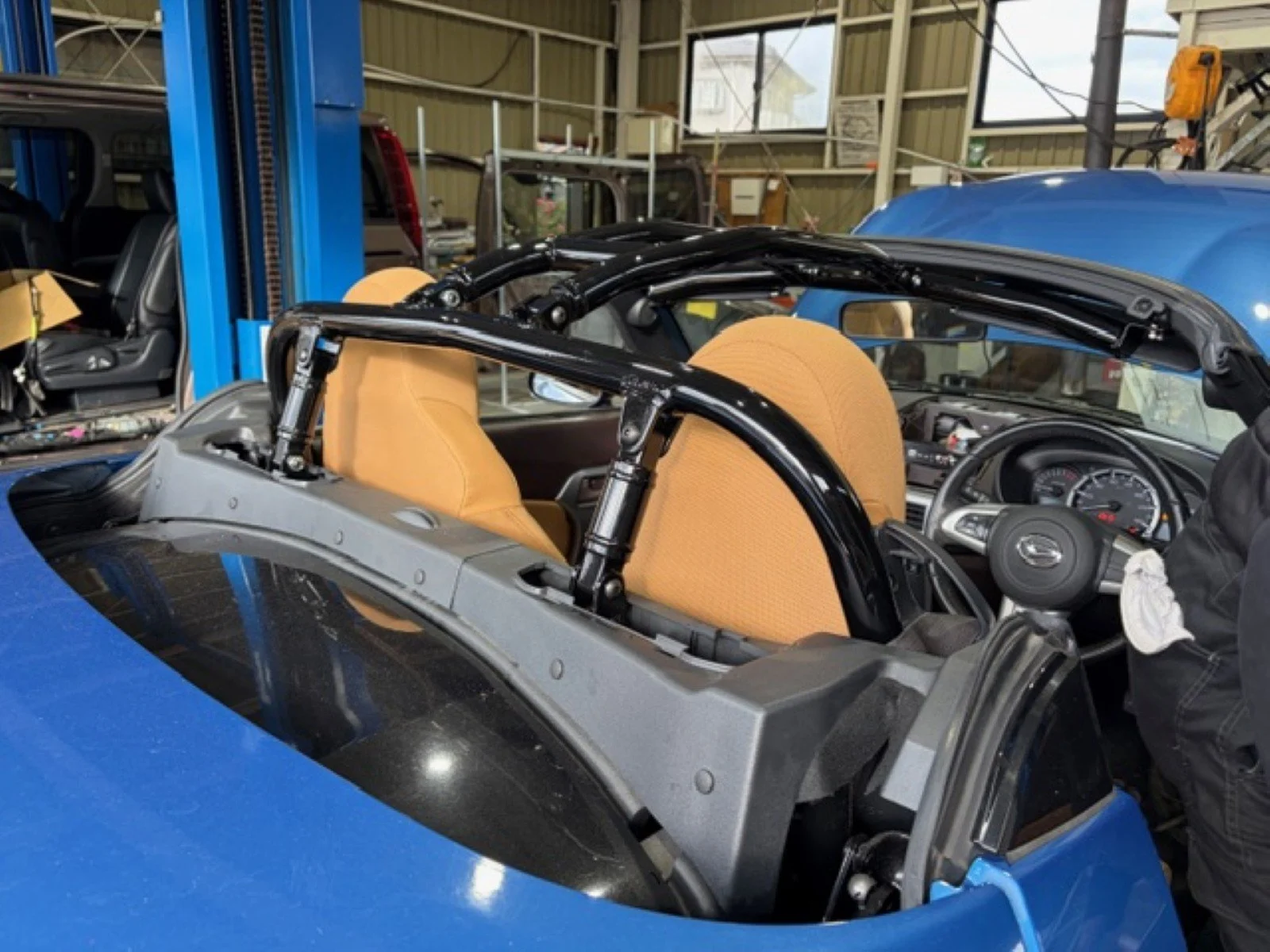
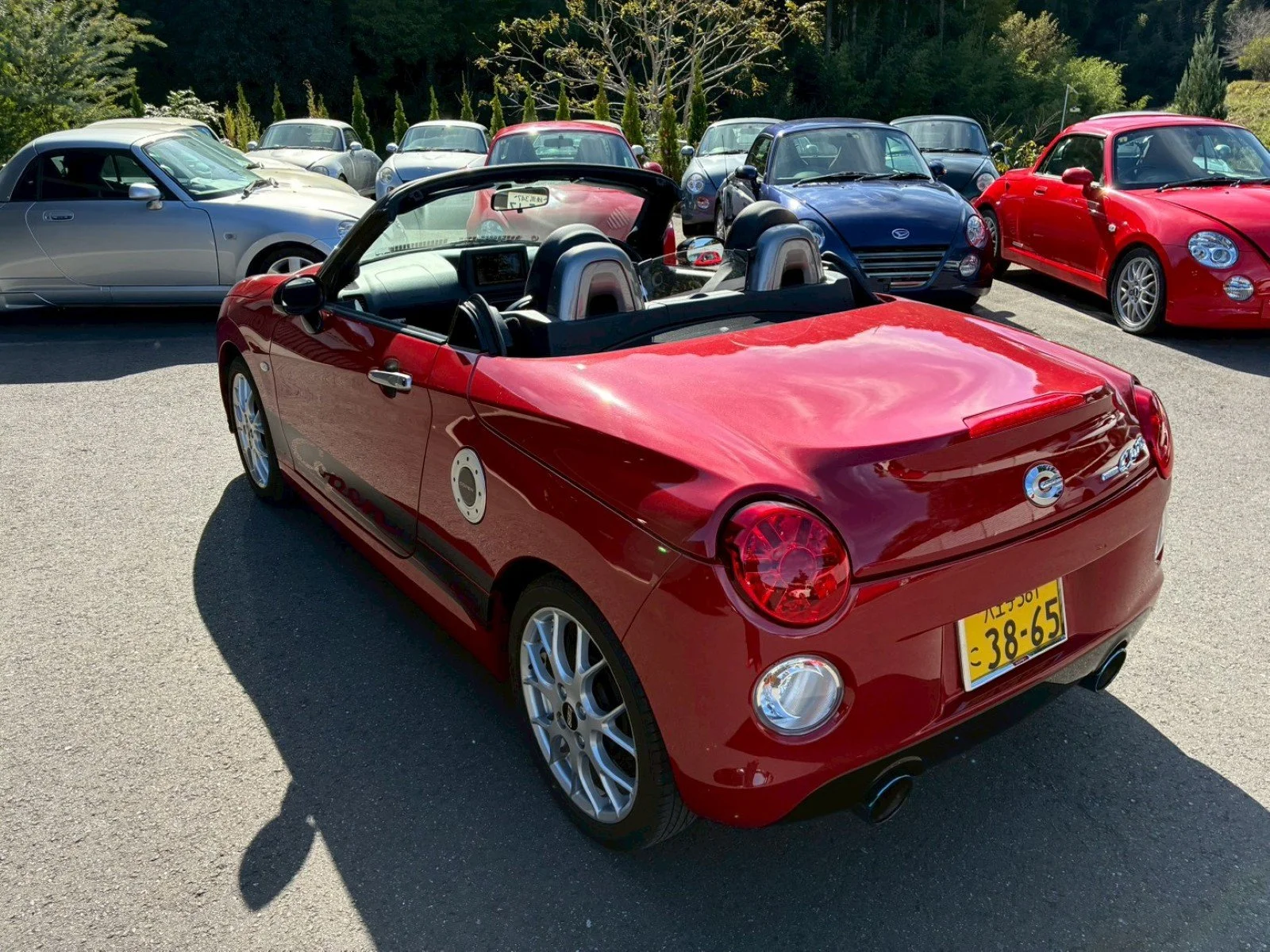
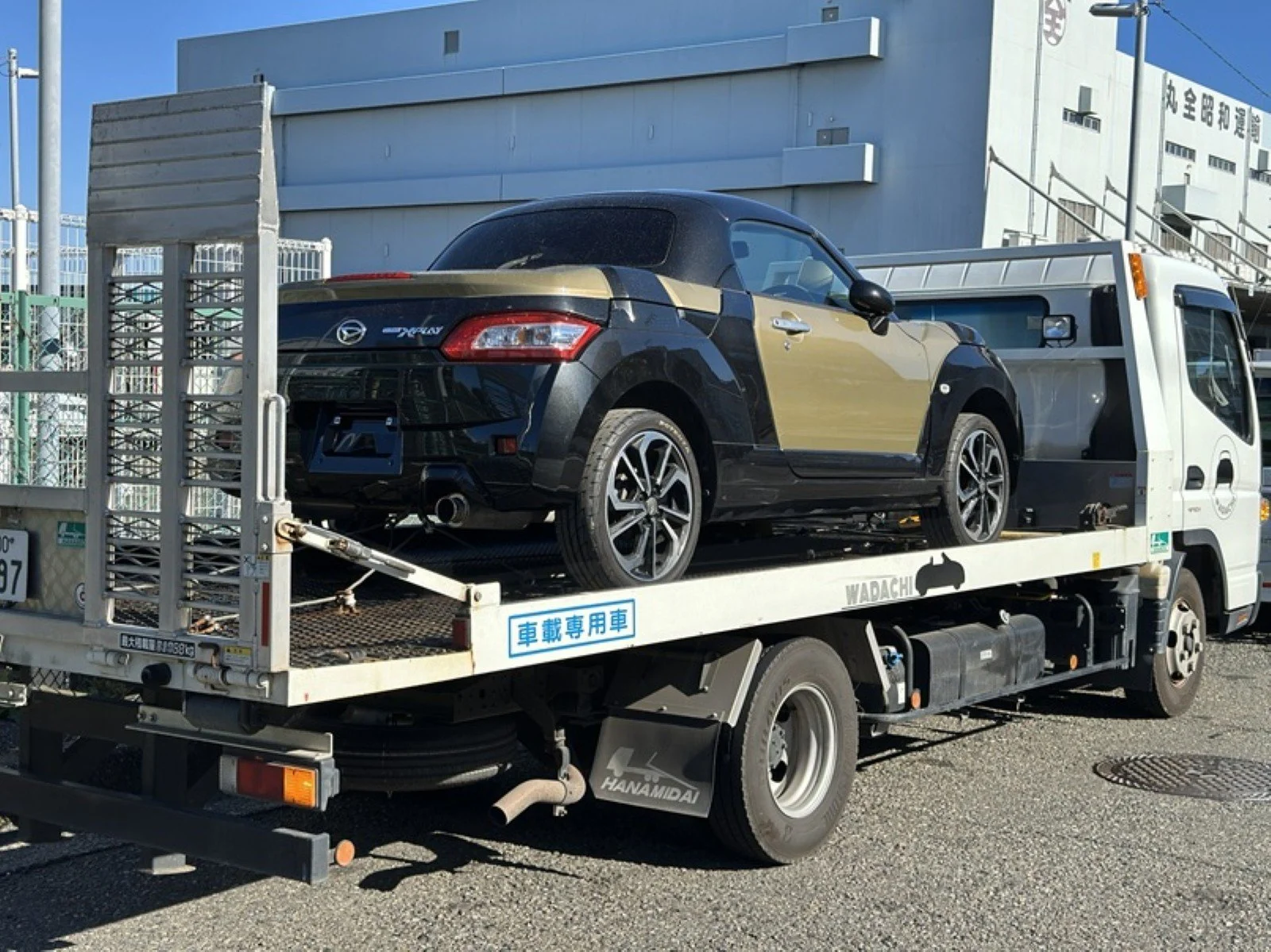
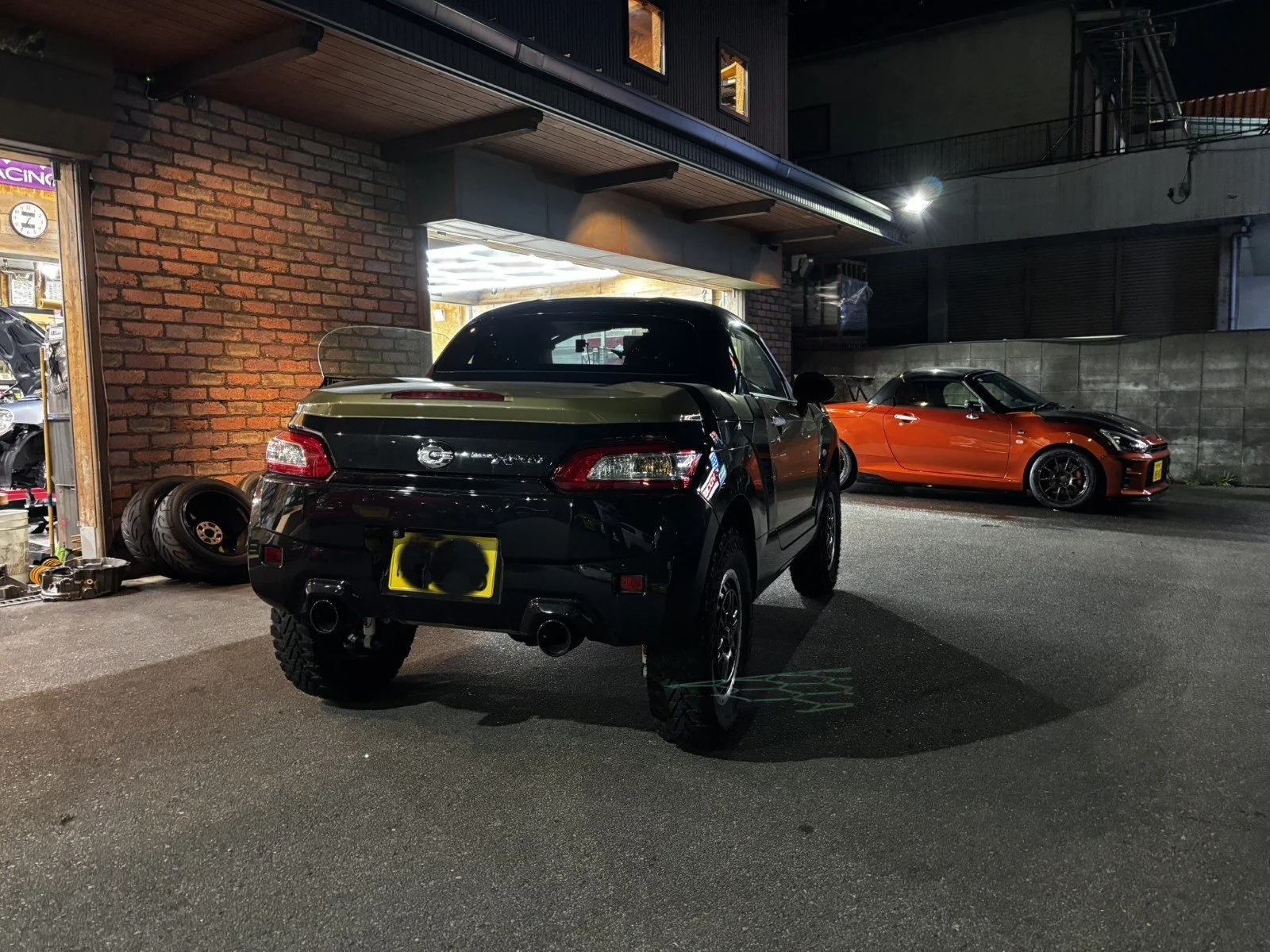
That doesn't mean every project needs to involve an S2000 or a Copen. It simply means we can often answer questions that are difficult to answer from the UK alone.
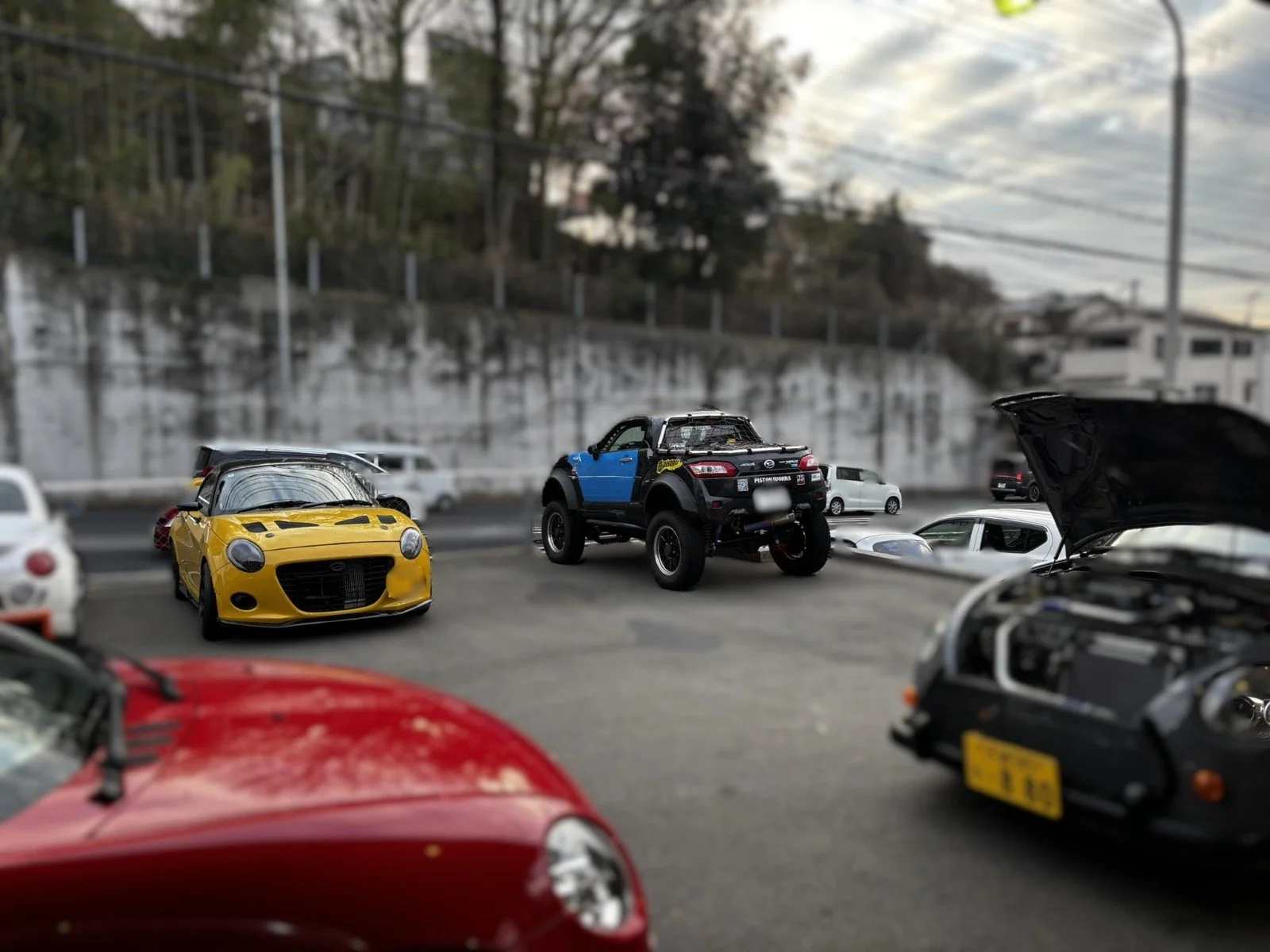
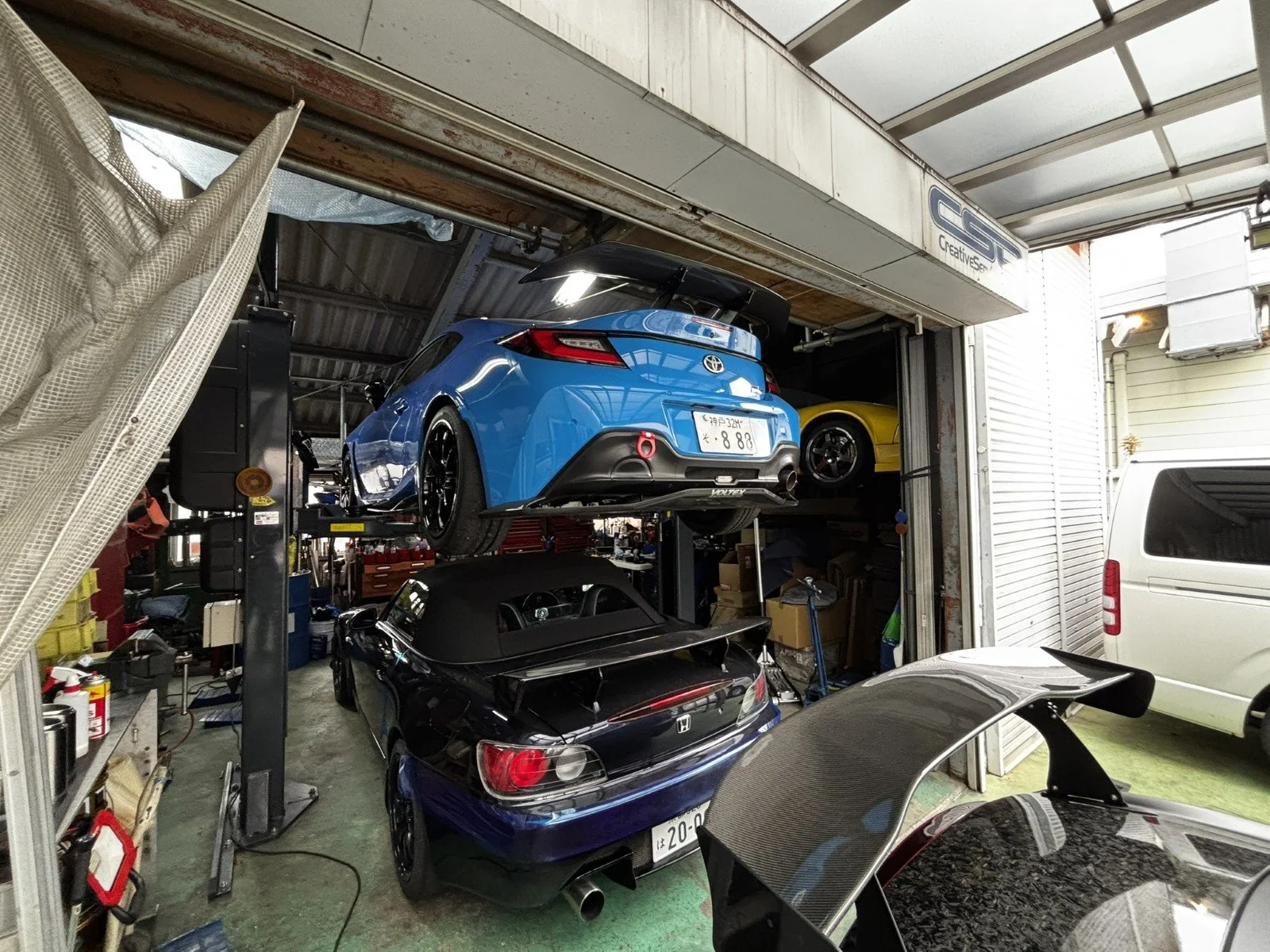
Our deepest experience is with the Honda S2000 and Daihatsu Copen, supported by trusted specialist partners in Japan who know these models exceptionally well.
Other Japanese vehicles can also be sourced through our wider network of established partners across Japan.
The important question is not simply whether a vehicle can be purchased.
It is whether the right information, inspection resources, parts support and preparation options are available for that particular project.
Why Our Proposals Are Detailed
A proposal is not simply a quotation.
It is a structured way of organising the decisions that need to be made before money is committed.
It allows you to choose the purchasing route, preparation level, timing and budget that best suit your own circumstances.
Once those decisions have been made, they can be recorded in the contract before the search begins.
Before We Search, We Clarify the Project
Finding and purchasing a vehicle is the visible part of a Japanese import project.
The real work begins earlier.
It begins by understanding why similar-looking vehicles have different prices.
It begins by recognising the difference between an auction vehicle and a prepared retail vehicle.
It begins by deciding what work should be completed, what can be carried out personally and what can reasonably wait.
It begins by defining the project budget, the timescale and the search criteria.
Once those decisions have been made, the search itself becomes far more focused.
That is what we mean when we say:
Before we import a car, we build understanding.

Closing Question
Have you ever found yourself comparing Japanese vehicles without being sure whether you were actually comparing the same product?
If this article has helped organise your thoughts, then it has already achieved its purpose.